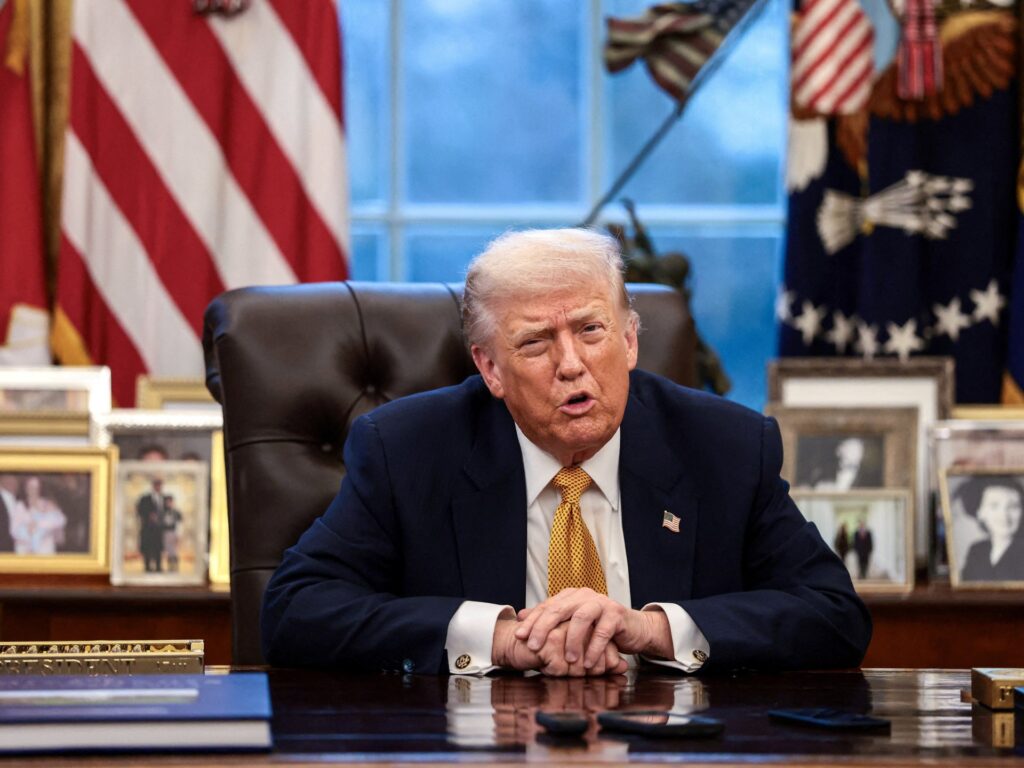
Former President Donald Trump has recently threatened to use the Insurrection Act in Minnesota in response to ongoing protests against Immigration and Customs Enforcement (ICE) agents. This move has sparked widespread discussion about the implications and historical context of the Insurrection Act, a federal law that allows the President to deploy military forces within the United States under certain circumstances.
The threat came as protests surged in Minnesota, following heightened tensions over ICE activities and immigration enforcement. Trump warned that if state and local officials failed to contain the unrest and restore order, he would consider invoking the act to deploy federal troops.
The Insurrection Act, originally enacted in 1807, grants the President authority to deploy military forces domestically when a state is unable to maintain law and order, or when there is an insurrection, rebellion, or obstruction to the execution of federal laws. It provides a legal framework for federal intervention in cases where civil unrest overwhelms local law enforcement capabilities.
Historically, the act has been invoked sparingly, most notably during the Civil Rights Movement in the 1950s and 1960s to enforce desegregation and to suppress violent riots. Its use is often controversial given the potential impact on civil liberties and the militarization of domestic law enforcement.
Trump’s threat underscores the seriousness with which his administration views the protests against ICE operations, reflecting broader national debates about immigration policy, law enforcement, and civil rights. Critics argue that deploying the military domestically risks escalating violence and undermining constitutional protections. Supporters claim it may be necessary to restore order and enforce the law.
If implemented, the activation of the Insurrection Act would allow federal troops to operate alongside local authorities with the mandate to suppress unrest, protect federal property, and ensure public safety. However, such actions would require careful coordination with state officials and raise questions about the balance of state and federal powers.
The situation in Minnesota has evolved as community leaders, civil rights organizations, and government officials seek peaceful resolutions to the protests. Calls for dialogue and reform have intensified, emphasizing the need to address underlying social and political grievances.
Experts note that invoking the Insurrection Act is not a decision taken lightly due to its profound implications for democracy and civil-military relations. It highlights the tension between maintaining public order and upholding constitutional freedoms.
As the national spotlight remains on Minnesota, the debate over the Insurrection Act’s use serves as a critical reflection on America’s approach to handling internal dissent and the role of military power in domestic affairs. The outcome of this situation may set important precedents for future responses to civil unrest across the country.