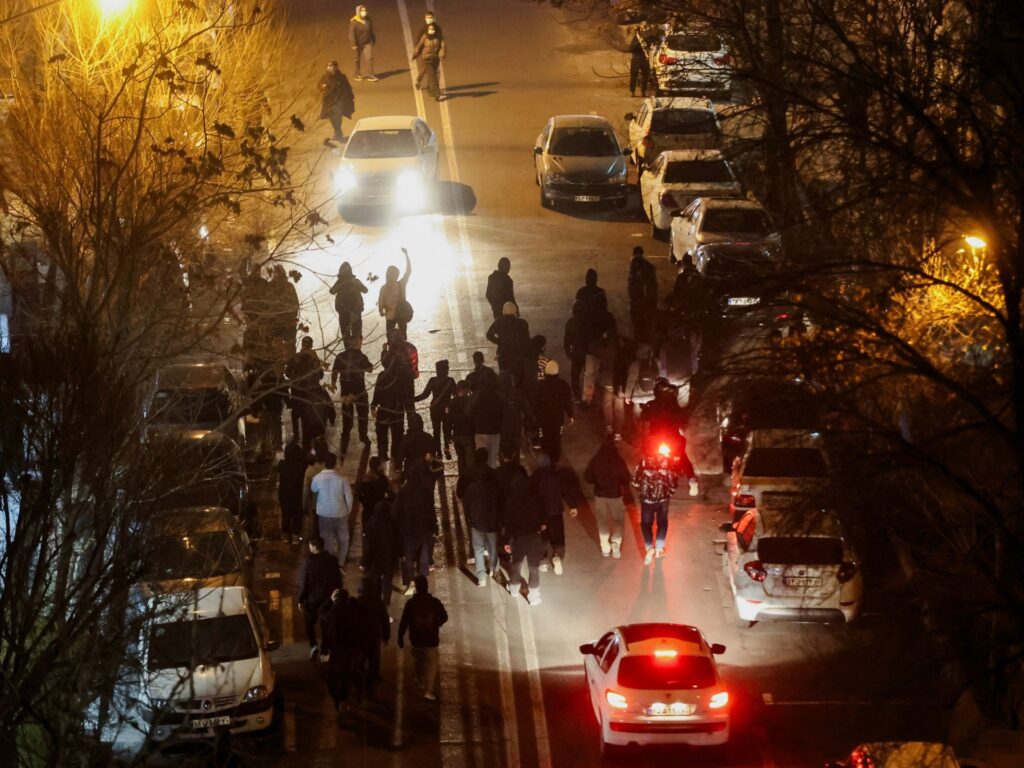
In a development that has further heightened regional tensions, Iranian authorities have formally accused foreign intelligence agencies, including Israel’s Mossad, of orchestrating the recent protest movements in the country. This comes amid growing unrest and widespread demonstrations, which Iran describes as deliberate attempts to destabilize the government.
Iran’s government officials claim that covert operations by Israel and possibly other foreign actors have played a critical role in fueling protest activities, aiming to undermine the country’s internal stability. According to these accusations, Israel’s intelligence operatives have allegedly infiltrated protest groups, provided logistical support, and spread disinformation to inflame public dissent.
The Iranian intelligence ministry stated that these foreign interventions are part of a broader strategy to weaken Iran’s political structure and destabilize the regime. They assert that the protests are not purely domestic grievances but are significantly influenced by foreign agendas, motivated by geopolitical rivalry and hostility towards Iran’s policies in the region.
This narrative from Tehran aligns with historical tensions between Iran and Israel, where each views the other as a direct threat to its sovereignty and security. Iran has frequently accused Israel of carrying out covert sabotage operations within its borders, including cyberattacks, assassinations, and support for opposition groups, aimed at destabilizing the country.
Experts analyzing the situation note that while internal dissatisfaction with economic conditions, governance, and social freedoms likely fuels the protests, the involvement of foreign intelligence agencies is a plausible factor that could exacerbate and prolong unrest. Such covert actions, if proven, add complexity to Iran’s volatile political landscape.
The accusations come at a time when Israel and Iran are engaged in indirect confrontations across various fronts, including Syria, Lebanon, and the cyber sphere. Israel’s alleged covert campaigns aim at curbing Iran’s regional influence and nuclear ambitions, leading to a cycle of retaliations and heightened security alerts.
International reactions to Tehran’s claims have been mixed. Some world powers urge restraint and call for peaceful dialogue to address the demonstrators’ grievances, while others express concern over the implications of foreign interference in sovereign nations’ internal affairs.
The protest movement in Iran reflects a multifaceted struggle involving domestic demands for reform and broader geopolitical contests. Iran’s government insists on a firm stance against what it perceives as foreign-instigated subversion, signaling potential crackdowns on dissent and increased surveillance.
Meanwhile, the international community watches closely as the situation evolves, aware that the resolution or escalation of these protests could significantly impact regional stability and diplomatic relations. An open dialogue and transparent investigations into these allegations could be critical in de-escalating tensions.
In conclusion, the accusation by Iran of foreign intelligence involvement in its protest movements underscores the deepening rift and strategic rivalry with Israel. It also highlights the intersection of internal political challenges and external geopolitical conflicts shaping the contemporary landscape of the Middle East.
As tensions escalate, Iran’s call for vigilance against foreign interference is likely to result in tightened security measures and heightened suspicion within its borders, further complicating the path toward national reconciliation and reform.