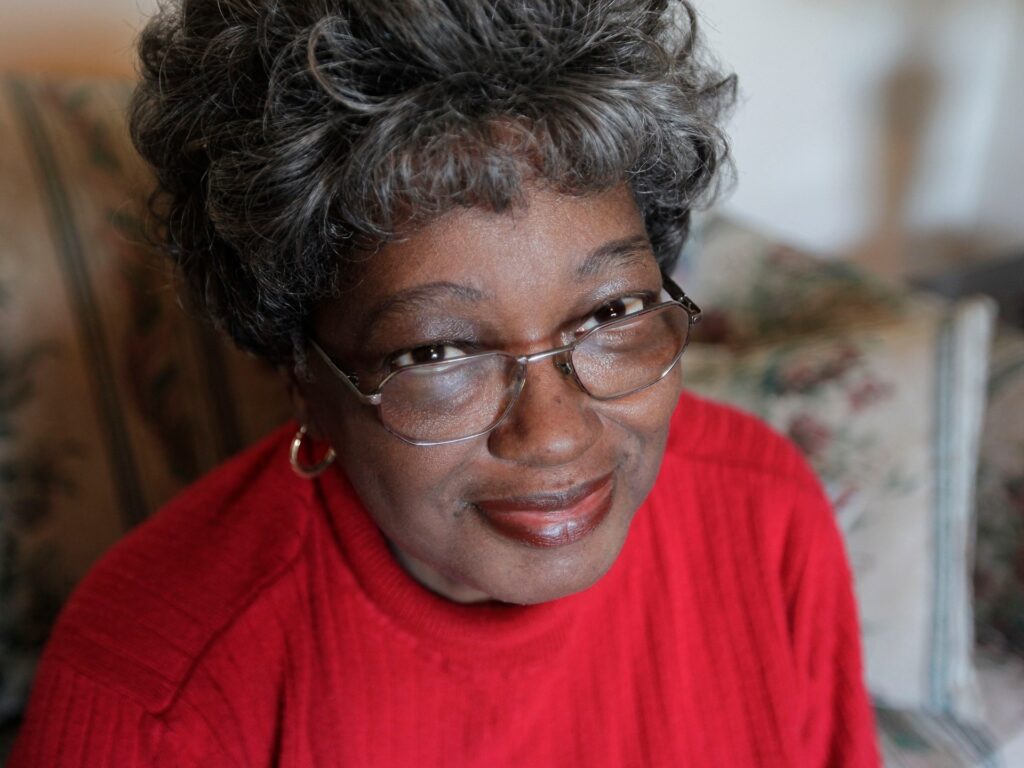
Claudette Colvin, a pivotal yet often overlooked figure in the American civil rights movement, has passed away at the age of 86. Her courageous act of defiance—refusing to give up her seat to a white passenger on a segregated bus in Montgomery, Alabama—occurred months before Rosa Parks’ more famous protest and helped ignite the modern civil rights movement.
On March 2, 1955, just nine months before Rosa Parks’ arrest, 15-year-old Claudette Colvin was arrested for her refusal to surrender her seat to a white passenger on a segregated bus. This incident took place amidst rampant racial segregation laws that denied African Americans equal rights in public transportation and beyond.
Despite the significant role she played, Colvin’s story remained largely untold for many years. Many civil rights leaders at the time were hesitant to embrace her case, in part due to her age and personal circumstances. However, her act of bravery was instrumental in the legal fight against segregation.
Colvin was one of the plaintiffs in Browder v. Gayle, the landmark federal court case which ultimately led to the Supreme Court ruling that bus segregation was unconstitutional. This legal victory was a critical turning point in the civil rights movement, paving the way for further desegregation efforts across the country.
Beyond her historic bus protest, Claudette Colvin’s life was marked by dedication to justice and equality. After her arrest, she continued to be involved in civil rights activism and later worked as a nurse and mentor to younger generations.
Colvin’s death has sparked renewed interest in her remarkable story and contributions to the struggle against racial injustice. Historians and activists emphasize the importance of recognizing pioneers like Colvin, whose courage laid the groundwork for major social changes.
The legacy of Claudette Colvin is a testament to the power of individual acts of resistance in challenging systemic oppression. Her story reminds us that the fight for civil rights was a collective effort, made possible by many unsung heroes.
As the civil rights community and the broader public reflect on Colvin’s life, there is a growing movement to ensure her story is firmly enshrined in the history of the American civil rights movement, inspiring future generations to stand up for justice.
In commemorating Claudette Colvin, we mark the enduring spirit of resilience and hope that defines the ongoing struggle for equality in the United States.