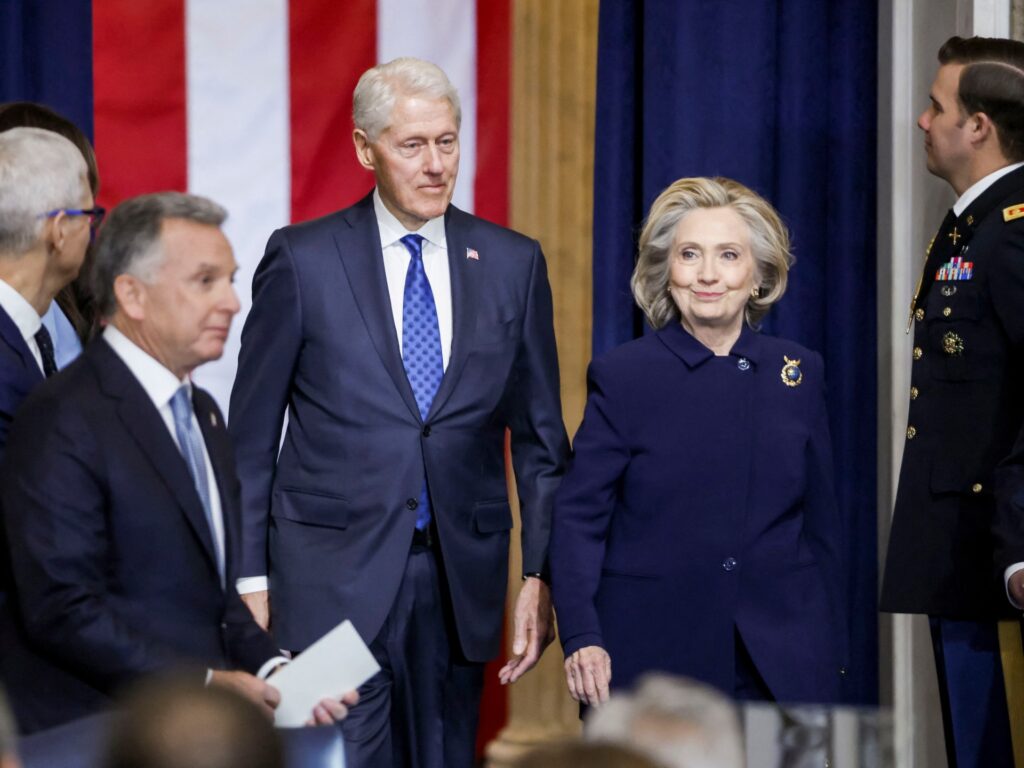
In a significant development in the ongoing investigation into Jeffrey Epstein, former President Bill Clinton and former Secretary of State Hillary Clinton have both rejected subpoenas issued by the US Congress, which sought their testimony. The subpoenas were part of the congressional probe into Epstein’s extensive network and alleged criminal activities.
The Clintons have publicly accused Republican lawmakers of using the investigation as a political tool aimed at “harassing and embarrassing” them. In their statements, they emphasized that the subpoenas lack a legitimate basis and serve primarily to fuel partisan politics rather than seek truthful information.
Jeffrey Epstein, a financier with high-profile connections, was arrested on charges related to sex trafficking minors before his death in 2019. Epstein’s case has remained a focus of intense public and congressional scrutiny, particularly due to his connections with powerful figures across different sectors.
Congressional Republicans have asserted that their investigation aims to uncover the full scope of Epstein’s criminal activities, including any possible involvement or knowledge held by public figures. However, the Clintons’ refusal to comply with the subpoenas adds a contentious layer to the probe, potentially complicating efforts to gather comprehensive testimony.
Legal experts weigh in on the situation, noting that while Congress has broad investigative authority, individuals like the Clintons can challenge subpoenas on grounds such as executive privilege or lack of relevance. These legal battles could prolong the inquiry and limit its effectiveness.
The controversy underscores the deep political divisions surrounding the Epstein case, with Democrats and Republicans often interpreting developments through partisan lenses. Critics of the Clintons argue that rejecting the subpoenas might fuel suspicion about their association with Epstein, while supporters claim that the probe is motivated by political animus.
This latest episode highlights the challenges congressional investigators face when probing issues entwined with high-profile political figures. It also raises questions about balancing the need for accountability with concerns over political impartiality.
As the investigation continues, lawmakers must navigate complex legal and ethical considerations. The public and media remain keenly interested in how the case evolves and whether it will ultimately lead to more revelations or stall in political deadlock.
In conclusion, the Clintons’ rejection of the congressional subpoenas marks a pivotal moment in the Epstein investigation, reflecting wider societal tensions and the intricate relationship between politics and justice.