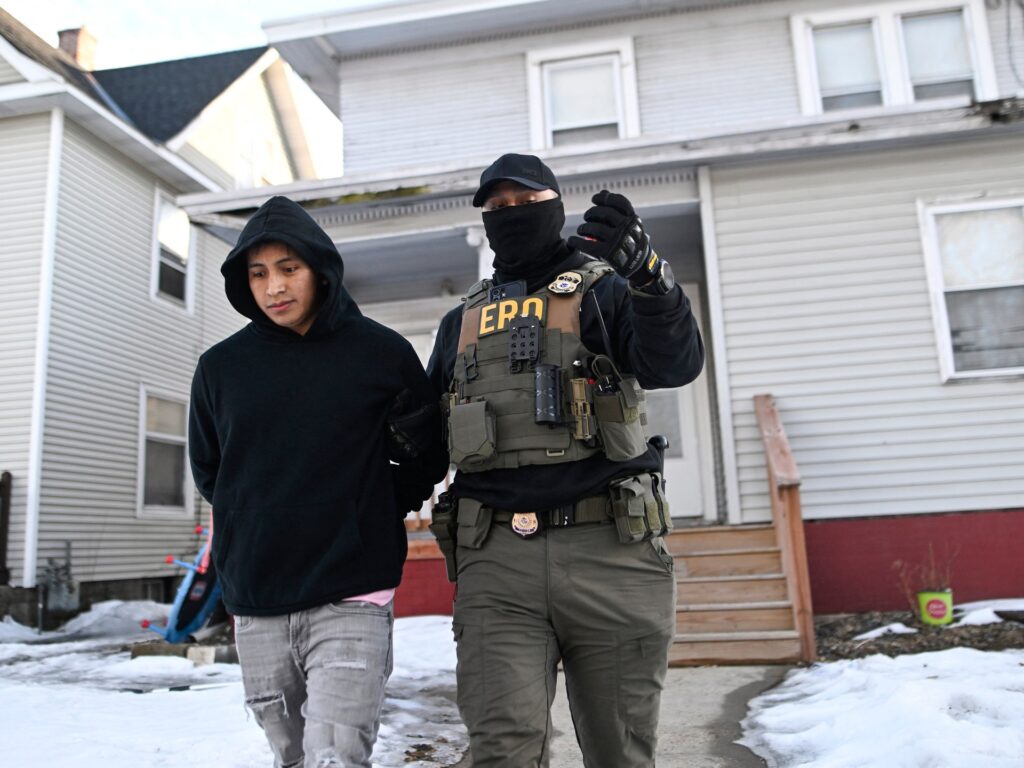
Tensions continue to mount in Minnesota following the tragic death of a woman at the hands of an Immigration and Customs Enforcement (ICE) agent. The incident has sparked widespread protests across the state, drawing national attention and igniting debates about the role and conduct of ICE agencies in the United States.
In response to the escalating situation, US President Donald Trump issued a stern warning, referring to an impending “day of reckoning” and “retribution” for Minnesota. Trump’s statements were seen as a direct threat amid the ongoing unrest, signaling potential federal action or intervention.
The protests began shortly after the fatal encounter, with activists and community leaders demanding justice and increased accountability from ICE. Minnesota has become a focal point for national conversations about immigration enforcement, agency oversight, and civil rights.
Governor and local officials have navigated a challenging landscape, attempting to balance public safety concerns with calls for reform and transparency. The president’s remarks, however, elevated the conflict to a new level of urgency and intensity.
The phrase “day of reckoning” suggests a forthcoming moment where consequences will be delivered, possibly referencing either punitive measures against protesters or political maneuvers aimed at reshaping immigration policies within the state.
Retribution, as introduced by Trump, may imply stronger federal oversight or crackdown on the demonstrations, potentially leading to increased deployments of federal agents or resources.
The situation in Minnesota is emblematic of a broader national debate surrounding immigration enforcement practices, the role of ICE, and the impact of federal authority on local jurisdictions.
Community organizers argue that the death exposed systemic flaws within the immigration detention system and that peaceful protests are a necessary means to ensure accountability.
Meanwhile, federal authorities assert their commitment to enforcing immigration laws while maintaining public order.
The tension between local demands for justice and federal enforcement priorities continues to be a flashpoint, raising concerns about the potential for escalation.
Legal experts are monitoring the situation closely, noting that any federal interventions must comply with constitutional protections and respect state sovereignty.
In addition, civil rights groups are calling for independent investigations into the incident, emphasizing the need for transparency and reform.
As Minnesota braces for the “day of reckoning,” residents and activists remain on edge, uncertain of what steps federal or state officials may take next.
The ongoing unrest underscores the deep divisions within the country regarding immigration policy and law enforcement accountability.
The legacy of this tragic event and its fallout will likely influence political discourse and policymaking for years to come.
Observers note that how the situation is handled may set precedents affecting other states facing similar protests and controversies.
For now, Minnesota stands at a crossroads, grappling with grief, calls for justice, and the heavy weight of federal scrutiny.
The “day of reckoning,” as warned by the president, looms as both a potential moment of justice and a critical test of governance amid national division.
In summary, Minnesota’s confrontation with federal immigration enforcement following a fatal incident has escalated into a significant political and social crisis, marked by protests, threats of federal retribution, and widespread demands for accountability and reform.