The United States’ sanctions on Iran have had far-reaching impacts on the Iranian economy and the everyday lives of its citizens. These sanctions, originally intended to curb Iran’s nuclear program and regional activities, have led to significant economic hardships that many experts and observers say were a catalyst for the recent protests in the country.
Economic Impact:
US sanctions have severely restricted Iran’s ability to participate in international trade, especially in oil exports, which form a major part of its national revenue. The resulting loss of income has led to inflation, unemployment, and a general decline in living standards. The Iranian rial has devalued drastically, making imports more expensive and pushing many products out of reach for ordinary Iranians.
Healthcare and Basic Goods:
Beyond oil and finance, sanctions have also affected Iran’s access to critical goods, including medicine and medical equipment. Although humanitarian goods are technically exempt, banking restrictions and fear of penalties have made it difficult for Iranian entities to procure essential supplies. This has strained the country’s healthcare system and worsened the suffering of vulnerable populations.
Public Discontent and Protests:
The economic squeeze has fueled widespread public discontent, triggering demonstrations across various cities. The grievances are not only political but deeply rooted in economic hardship, including rising prices, scarcity of goods, and unemployment. Protesters have voiced frustration over the government but also the international pressures that exacerbate daily struggles.
Trump’s Position:
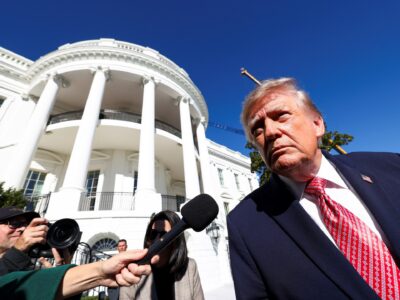
Former President Donald Trump has expressed a desire to help the Iranian people, emphasizing that his administration’s policies targeted the regime’s leadership rather than the population. However, critics argue that the approach has unintentionally harmed ordinary citizens more than the political elite, complicating efforts to achieve diplomatic engagement.
The Complexity of Sanctions:
Sanctions are a double-edged sword, aiming to force political change while risking humanitarian costs. Iran’s economy is intertwined with global systems, and isolating it has unintended consequences for the people who live there. While sanctions aim to limit Iran’s government actions, they have also sown instability and suffering among civilians.
Outlook:
Moving forward, any efforts to alleviate the plight of Iranians will require careful balancing of diplomatic goals and humanitarian considerations. The protests highlight a population eager for change and relief from economic hardships. There is international recognition of the need for dialogue to address both the political and economic crises afflicting Iran.
In conclusion, US sanctions have had a profound impact on Iran’s economic landscape and the daily lives of its citizens, contributing to social unrest and fueling demands for reform. While intended to pressure the Iranian government, these measures have also inadvertently amplified the challenges faced by ordinary Iranians, complicating the path toward a peaceful resolution and meaningful assistance from the international community.