Tensions between Iran and the United States appear to be escalating rapidly as ongoing protests in the region show no sign of abating. In a recent development that raises concerns about the stability of the situation, Iran’s intelligence agency announced the seizure of American arms and explosive materials from what it described as ‘militant’ groups within the country.
The announcement has added fuel to the already volatile atmosphere surrounding the political and military dynamics between Tehran and Washington. This move by the Iranian intelligence services comes amidst widespread demonstrations, which have been intensifying over the past weeks and have drawn global attention due to their potential implications.
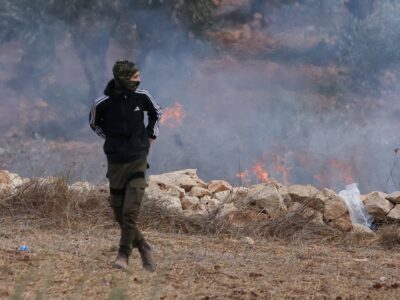
Protests in Iran have been sparked by various issues including political dissent, economic hardship, and dissatisfaction with the government’s policies. The unrest has caused significant internal disruption, prompting a heavy security response from the Iranian authorities.
The seizure of US-manufactured weapons and explosives implicates a more complex scenario where external elements might be influencing or exploiting the unrest. Iran accuses the US of supporting opposition militant factions, a charge that the United States has historically denied.
This development has heightened fears of a possible renewed conflict between the two nations. The US and Iran have a long history of antagonism that includes various escalations ranging from covert operations and economic sanctions to direct military confrontations.
Diplomatic channels between the two countries remain limited, and this latest incident could further diminish chances for constructive dialogue. Analysts worry that the situation might deteriorate into direct confrontations or proxy conflicts involving allied groups in the region.
The international community is closely monitoring the situation. Many nations have expressed concern over the escalation of tensions and have called for restraint and peaceful resolution to avoid widespread conflict.
Experts suggest that without immediate de-escalation measures, the risk of a broader regional conflict could increase significantly. Both Iran and the US have influential allies and proxies across the Middle East whose involvement could amplify the conflict’s scope.
In conclusion, Iran’s announcement of seizing US weapons amid ongoing protests is a critical marker in the current geopolitical climate. It highlights the fragile balance and the heightened risk of a renewed confrontation between Tehran and Washington. The world watches cautiously, hoping for peaceful solutions but preparing for the possibility of further unrest and conflict.