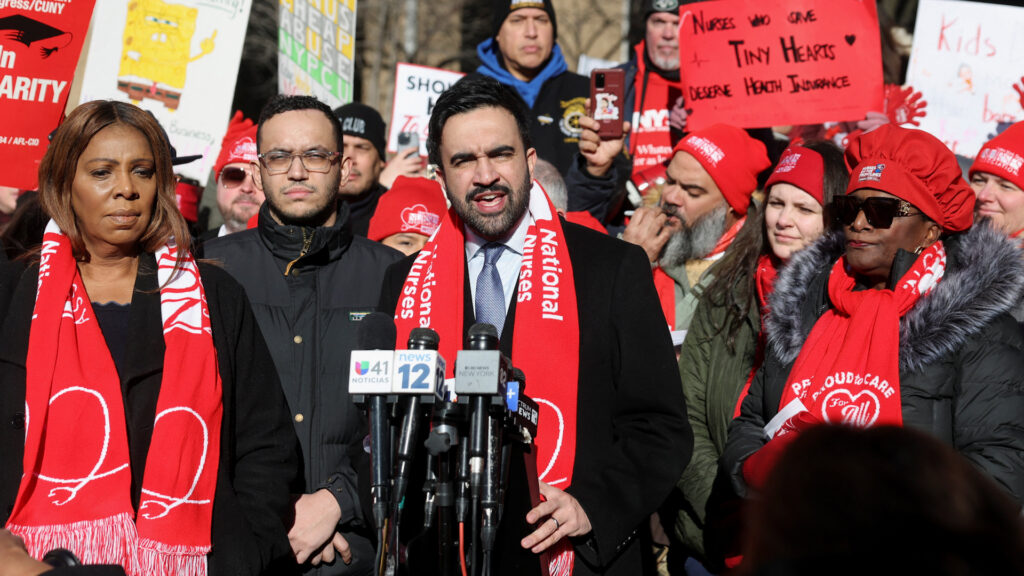
In a significant development in the healthcare sector, nearly 15,000 nurses in New York City have staged a walkout, marking a major strike at several of the city’s prominent hospitals. This collective action highlights the growing unrest and demand for better working conditions and compensation among nursing professionals.
Prominent advocate Mamdani has openly backed the striking nurses, emphasizing the critical role they play in the healthcare system and condemning what he describes as the disproportionate salaries earned by hospital executives. Mamdani’s support adds considerable weight to the nurses’ cause, drawing public attention to the disparities in pay and resources within the healthcare industry.
The strike underscores the nurses’ grievances about their workload, patient care standards, and financial recognition. It reflects a broader trend of labor actions seen nationwide, where healthcare workers seek equitable treatment and improved labor contracts.
Hospital administration, on the other hand, faces mounting pressure to negotiate and resolve the strike swiftly to restore normal hospital operations and ensure patient care is not compromised.
This situation presents a microcosm of the systemic challenges in the healthcare sector, including resource allocation, worker satisfaction, and management accountability. The ongoing strike and Mamdani’s vocal stance may catalyze broader discussions and reforms aimed at balancing the interests of healthcare providers and administrators, ultimately striving for a more sustainable and fair working environment.
As the strike continues, stakeholders from all corners, including patients, hospital staff, and policymakers, are closely monitoring developments. The outcome could set precedents for labor relations within the healthcare industry across the United States.
This confrontation between nurses and hospital leadership sheds light on the essential but often overlooked contributions of frontline healthcare workers and raises crucial questions about the ethical and financial priorities within healthcare institutions.