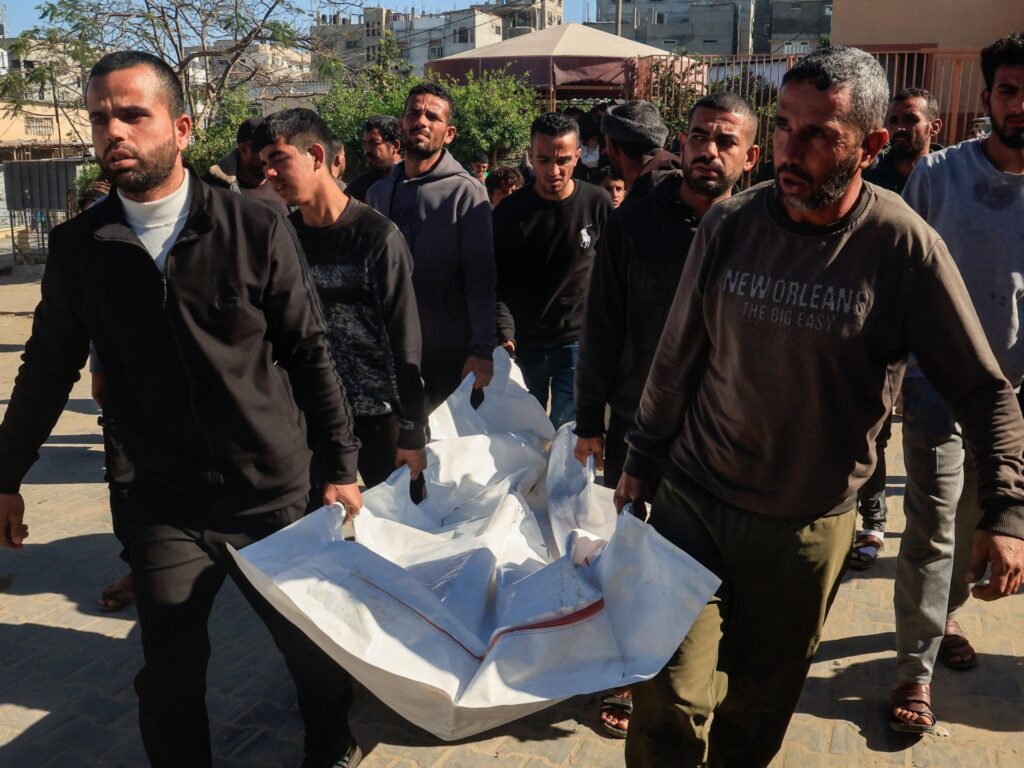
In a continuation of hostilities despite the ceasefire agreement that came into effect on October 10, an Israeli quadcopter carried out an attack in Gaza’s Khan Younis area, resulting in the deaths of three individuals. The incident has further escalated tensions in the region, which has been plagued by frequent clashes and violence.
The attack not only caused civilian casualties but also claimed the life of a notable figure: the Gaza police chief was reported slain. This high-profile death is a significant blow to Gaza’s security establishment and underscores the severity of the ongoing conflict.
The ceasefire was intended to reduce violence and hostilities between Israeli forces and Palestinian factions in the Gaza Strip. However, the daily attacks by the Israeli army on the enclave have cast doubt on the effectiveness and durability of the ceasefire agreement.
Khan Younis, a city in the southern part of the Gaza Strip, has been a frequent site of Israeli military operations. The residents of the area continue to live under the constant threat of aerial attacks, compounded by the overall humanitarian challenges facing Gaza.
International observers and humanitarian organizations have expressed concern over the continuation of violence despite the ceasefire. They warn that continued hostilities could undermine peace efforts and lead to further loss of life and suffering among civilians.
The recent attack by the Israeli quadcopter is a reminder of the fragile nature of the current ceasefire and highlights the urgent need for diplomatic efforts to ensure a sustainable peace in the region. Both sides remain entrenched in their positions, with the Israeli military citing security concerns and the Gaza factions responding with calls for resistance.
The killing of the police chief adds a layer of complexity to the situation, as it potentially weakens the internal security apparatus within Gaza, making it more difficult to maintain law and order during these turbulent times.
As the international community watches closely, there is growing pressure on both parties to adhere strictly to the ceasefire terms and to resume meaningful dialogue to prevent further escalation.
The ongoing conflict between Israel and Gaza remains one of the most persistent and challenging geopolitical issues in the Middle East, with profound humanitarian implications and a significant impact on regional stability. The recent events in Khan Younis illustrate the continuous cycle of violence and the urgent need for a lasting resolution.
In summary, despite the ceasefire agreement, Israeli military operations continue to inflict casualties and instability in Gaza, exemplified by the recent deadly quadcopter attack in Khan Younis and the killing of Gaza’s police chief. The situation demands renewed international attention and concerted diplomatic efforts to prevent further violence and foster peace in the region.