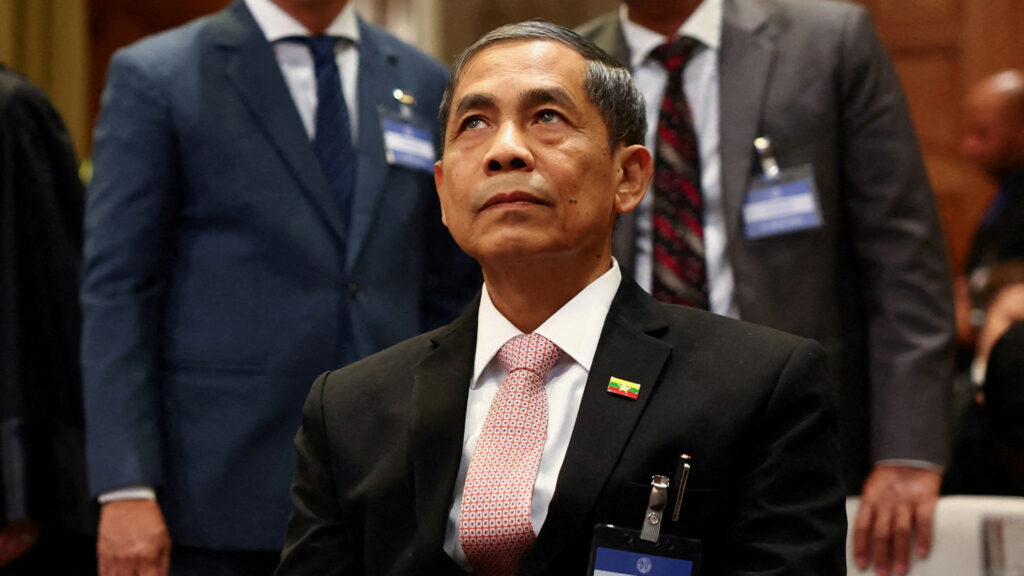
The International Court of Justice (ICJ), the United Nations’ highest judicial body, has begun hearing a landmark case accusing Myanmar of genocide against the Rohingya Muslim minority. The proceedings mark a significant moment in the global effort to hold perpetrators accountable for mass atrocities and human rights violations.
The Rohingya, a predominantly Muslim ethnic group, have long been subjected to systematic persecution and violence in Myanmar, a predominantly Buddhist country. The case centers on allegations of mass killings, forced displacement, and other acts intended to destroy the Rohingya people in whole or in part.
The accusations come against the backdrop of a brutal military crackdown in Myanmar’s Rakhine State that intensified in August 2017. This campaign led to widespread reports of extrajudicial killings, widespread rape, arson, and forced displacement, causing more than 700,000 Rohingya to flee to neighboring Bangladesh.
The government of Myanmar denies the allegations, asserting its operations targeted insurgents and were necessary for national security. However, international observers and human rights organizations have amassed extensive evidence suggesting the military’s actions constituted genocide.
This case was brought forward by The Gambia, representing the Organization of Islamic Cooperation, in November 2019. It represents one of the few instances where a state has taken another to the ICJ over alleged violations of the Genocide Convention.
The case’s commencement at the ICJ involves opening statements, examination of evidence, and submissions by legal representatives. Cambodia and other countries have expressed support for the Rohingya’s plight, emphasizing the importance of international law and justice.
The proceedings are expected to be protracted, with a series of hearings over the coming months. The court’s decision will have far-reaching implications not only for Myanmar’s military leaders but also for global norms on genocide prevention and accountability.
Legal experts anticipate that the ICJ’s ruling could lead to increased international pressure on Myanmar, including sanctions and calls for reforms within its military and government.
Additionally, the case underscores the role of international judicial bodies in addressing heinous crimes and providing a platform for victims seeking justice.
Human rights advocates worldwide are closely monitoring the case, viewing it as a critical test of the international community’s resolve to prevent genocide and protect vulnerable populations.
The Rohingya crisis remains one of the most pressing humanitarian disasters, with hundreds of thousands still living in overcrowded refugee camps facing uncertain futures.
The hearing at the ICJ is a hopeful step toward accountability, justice, and preventing future atrocities.
As the case unfolds, the world watches as the ICJ grapples with complex legal, historical, and ethical dimensions of one of the most serious human rights abuses in recent history.