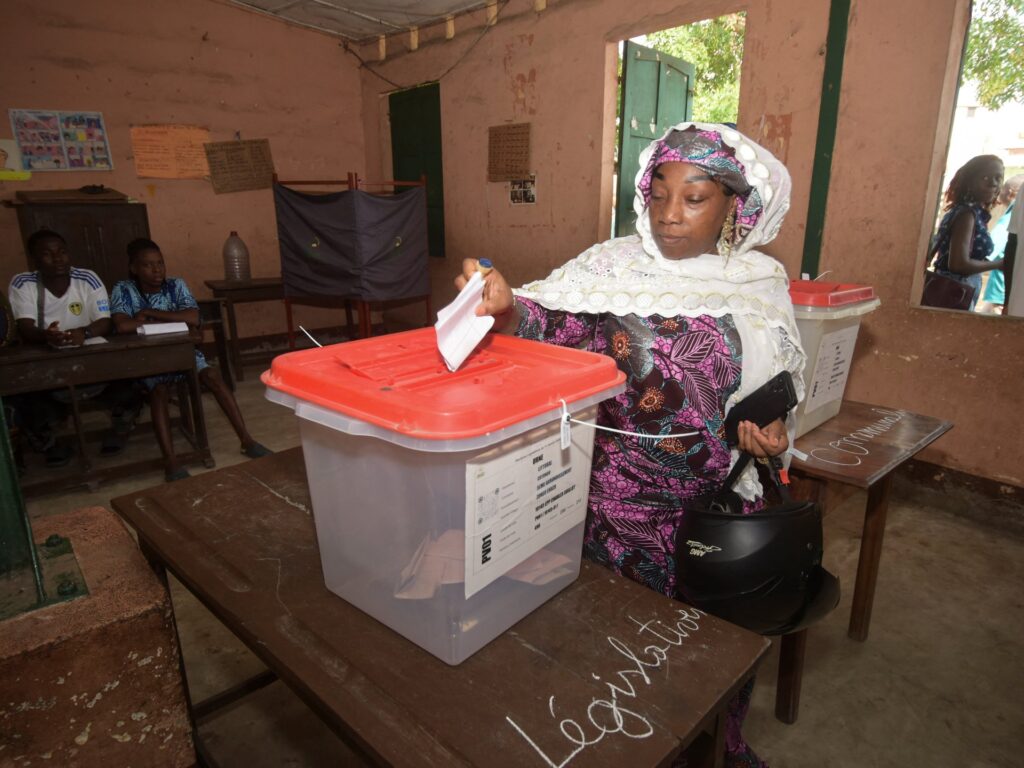
Benin recently conducted important parliamentary and local elections, taking place just a month after the country’s political landscape was shaken by a thwarted coup attempt. These elections are seen as a pivotal moment for Benin as it strives to uphold its democratic processes amidst recent instability.
The parliamentary and local elections are critical in determining the political direction Benin will take moving forward. The successful organization of these polls highlights the resilience of the country’s institutions and commitment to democracy despite the looming shadows of the coup attempt.
The attempted coup, which was foiled weeks before the elections, had created a sense of uncertainty and tension within the nation. Authorities acted swiftly to maintain order, reassuring citizens and the international community of Benin’s stable governance.
Election officials reported a smooth voting process, with citizens turning out in significant numbers to exercise their democratic rights. The elections underscore the people’s determination to have a voice in their government, even in the face of past threats to the nation’s stability.
Observers both within Benin and from abroad praised the conduct of the elections, noting the efforts made to ensure transparency and fairness throughout the voting process. Security measures were visibly heightened to safeguard the polls from any potential disruptions linked to the recent coup attempt.
Political parties in Benin campaigned vigorously, engaging voters with their platforms and promises for development, security, and economic growth. The elections provide an opportunity for new leadership to emerge and address the challenges confronting the nation.
The outcome of the parliamentary vote will influence legislation and governance policies, which are crucial in stabilizing the country and promoting prosperity. Local elections are equally significant as they determine leadership at the grassroots level, affecting day-to-day governance and community development.
Civil society groups and election monitors emphasized the importance of voter participation in reinforcing democratic norms. They called for unity and collaboration among political actors to foster peace and progress in Benin.
The international community has also welcomed the elections, encouraging continued support for Benin’s democratic institutions. Many have affirmed their commitment to assisting Benin in strengthening political stability and economic development.
As Benin moves forward from this challenging chapter, the elections mark a hopeful step toward recovery and sustained democracy. The nation’s ability to conduct peaceful, credible elections in the aftermath of a coup attempt demonstrates its resilience and the will of its people to maintain democratic governance.
Looking ahead, the elected representatives face the task of addressing the root causes of instability and working collectively to build a more secure and prosperous future for all Beninese citizens. The elections stand as a testament to the enduring strength of democracy in Benin despite previous attempts to undermine it.