The US War Powers Act, officially known as the War Powers Resolution of 1973, has become a focal point of constitutional debate following President Donald Trump’s assertion that the law is unconstitutional. This controversy erupted after Trump’s administration authorized military actions in Venezuela without explicit congressional approval, prompting lawmakers to defend the Act’s legality.
The War Powers Resolution was enacted by Congress to check the president’s power to commit US forces to armed conflict without congressional consent. It was designed to ensure that both the Executive and Legislative branches share the power of deploying US troops, responding to concerns over presidents engaging in military action without oversight.
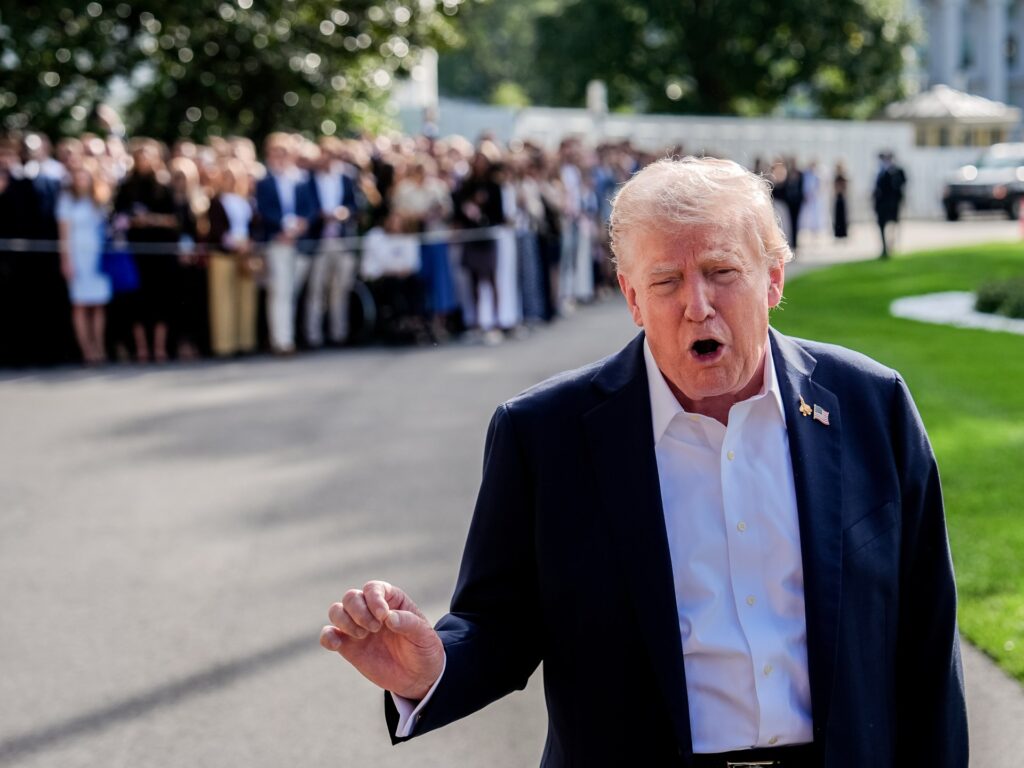
President Trump argued that the law infringes on the president’s authority as commander-in-chief, asserting that he has the constitutional right to take military action without requiring congressional approval in certain situations. His administration’s military intervention in Venezuela was cited as an example of exercising that authority.
However, many lawmakers and constitutional experts disagree with Trump’s interpretation. They maintain that the War Powers Act is a lawful exercise of Congress’s power to regulate the armed forces under Article I of the Constitution. Furthermore, they emphasize the importance of the Act in preventing unilateral military engagements that bypass democratic accountability.
Congressional leaders from both parties have voiced support for the War Powers Resolution, underscoring its role in balancing the powers between the branches of government. The Act requires the president to notify Congress within 48 hours of committing armed forces to military action and limits such deployments to 60 days, with a further 30-day withdrawal period, unless Congress authorizes continued engagement.
Legal scholars note that while the War Powers Act has faced challenges since its passage, its constitutionality has largely been upheld in practice, as no definitive Supreme Court ruling has invalidated it. The law is seen as a critical tool for Congress to assert its constitutional mandate to declare war or authorize military force.
The dispute over the Act highlights the ongoing tension between the executive and legislative branches regarding war powers, a dynamic embedded in the US Constitution’s structure. Presidential administrations and Congress have historically clashed over the appropriate scope of military action authorization.
In conclusion, despite President Trump’s claims, the War Powers Act remains a constitutional mechanism for Congressional oversight of military actions. The debate continues to reflect broader questions about the separation of powers and the roles of the president and Congress in decisions about deploying US forces abroad.