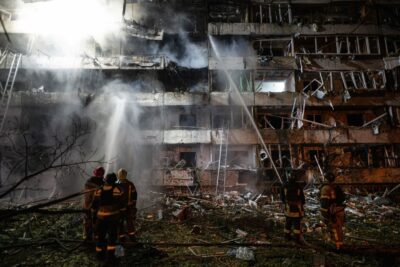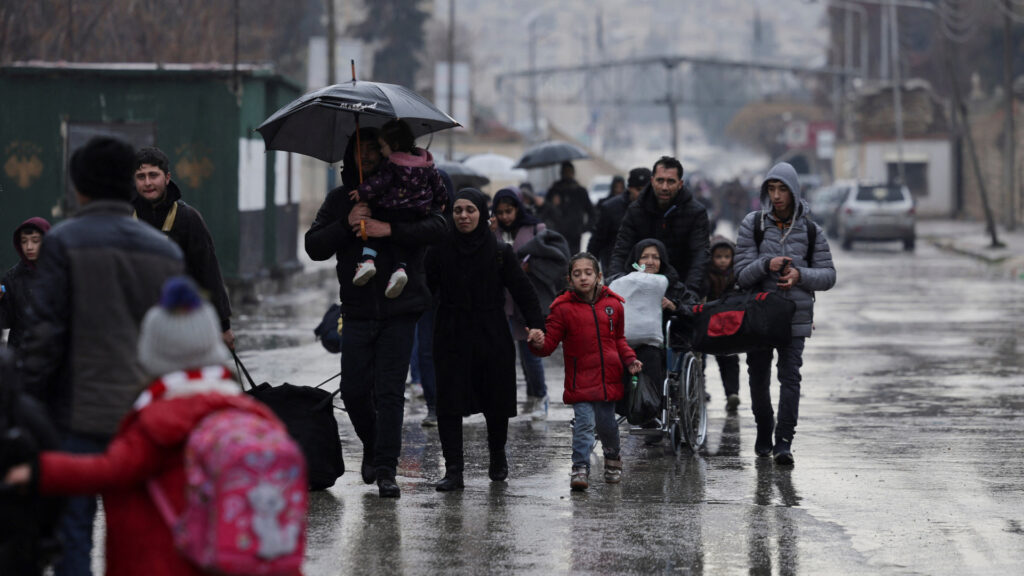
The United Nations has voiced grave alarm over the escalating fighting in Aleppo, Syria, as the ceasefire between the Syrian government forces and the Kurdish-led Syrian Democratic Forces (SDF) has collapsed. This intensification of hostilities has raised immediate concerns for the safety and protection of civilians caught in the crossfire.
Aleppo, a key battleground in the Syrian conflict, has seen a fragile ceasefire that offered a glimmer of hope for reducing violence and allowing humanitarian access. However, with the breakdown of the truce, fighting has resumed, exposing thousands of residents to renewed dangers and hardships.
The UN has underscored the urgent need to uphold international humanitarian law, urging all parties involved to prioritize the protection of civilians at all times. The organization emphasized that indiscriminate attacks and violence against non-combatants must cease immediately to prevent further casualties and displacement.
The collapse of the ceasefire follows complex dynamics between the Syrian army and the SDF. Despite temporary cessations, underlying tensions rooted in political, territorial, and ethnic disputes have made lasting peace fragile and elusive.
International observers and humanitarian agencies have reported increased casualties and a growing humanitarian crisis in Aleppo. Access to essential services, medical supplies, food, and shelter has become increasingly scarce as violence continues unchecked.
The UN’s call aims to galvanize efforts by all stakeholders, including involved regional actors and international partners, to recommit to peaceful negotiations and support initiatives that can restore stability to the area.
Furthermore, the organization advocates for immediate humanitarian corridors to facilitate aid delivery and evacuation of vulnerable populations. Such measures are critical in alleviating the suffering of civilians amid the ongoing conflict.
The situation in Aleppo reflects the broader challenges facing Syria as a whole, where multiple armed groups, shifting alliances, and international interests complicate the path toward peace.
Resolving these conflicts requires sustained diplomatic engagement, respect for ceasefire agreements, and a renewed focus on the protection of human rights and civil liberties.
For the people of Aleppo, the return of peace is essential not only to ensure physical safety but also to rebuild communities devastated by years of war. The UN’s grave alarm serves as a poignant reminder of the urgent need for greater international solidarity and action.
In conclusion, the UN urges all parties in Aleppo to exercise maximum restraint, recommit to ceasefire agreements, and place the wellbeing of civilians at the forefront of their priorities. Only through concerted and collaborative efforts can the cycle of violence be broken, paving the way for a durable peace in the region.