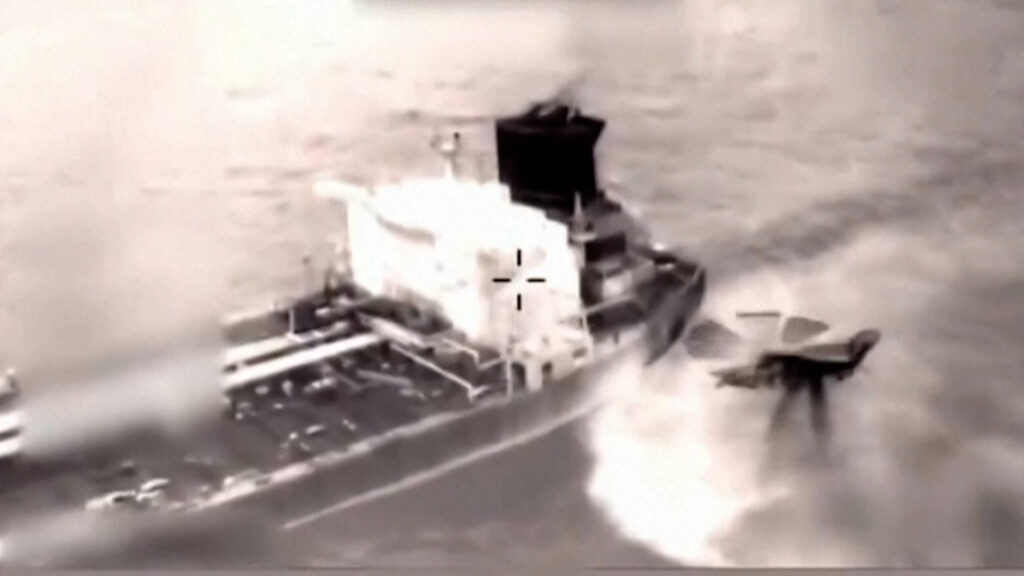
The United States has intensified its efforts to enforce sanctions on Venezuelan oil by intercepting a fifth sanctioned oil tanker in the Caribbean. This move reflects Washington’s increased vigilance and determination to prevent the transport of oil shipments that violate imposed sanctions against Venezuela. The oil tankers, often operating under complex arrangements to obscure ownership and destination, have been a key target in the US strategy to restrict the Venezuelan government’s access to oil revenue. The fifth seizure highlights the ongoing geopolitical tensions surrounding Venezuela’s oil industry and the broader implications for international trade and diplomacy in the region.
The US has implemented these sanctions as part of broader measures aimed at pressuring the Venezuelan government to address political and humanitarian concerns. These interdictions involve close surveillance and coordination among various US agencies, showcasing a multi-faceted approach to enforcing international sanctions. The intercepts typically occur in international waters within the Caribbean Sea, where US authorities have legal grounds to board and seize vessels suspected of transporting sanctioned Venezuelan oil.
The practice of sanction enforcement through tanker seizures is not new but has seen a marked increase in recent months. Oil tankers often employ tactics such as changing ship names, flags, or using ship-to-ship transfers to evade detection. Nevertheless, US authorities have enhanced their tracking and interception capabilities, making it increasingly difficult for sanctioned shipments to slip through.
This escalation is likely to have significant economic and political ramifications. Venezuela’s oil export sector is a vital component of its economy, and disruptions through sanctions and seizures hamper the government’s financial resources. Moreover, the increased US naval presence and enforcement activities in the Caribbean may affect regional maritime security dynamics and diplomatic relations with neighboring countries.
Industry analysts note that these aggressions underscore the complex interplay of energy security, geopolitics, and international law. While the US argues that these seizures support the rule of law and uphold sanctions, Venezuela and some other nations criticize them as aggressive interference in sovereign affairs. The ongoing tension raises questions about the future of energy markets and the political landscape in Latin America.
The global community continues to watch as the US escalates its sanction enforcement, with potential impacts on global oil prices and supply chains. The situation also signals the importance of diplomatic engagements and negotiations to resolve the broader Venezuelan crisis, which affects not only the region but international stakeholders dependent on energy resources.