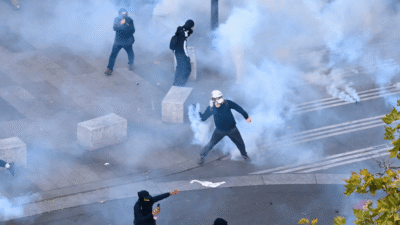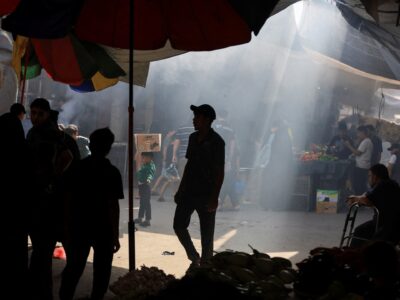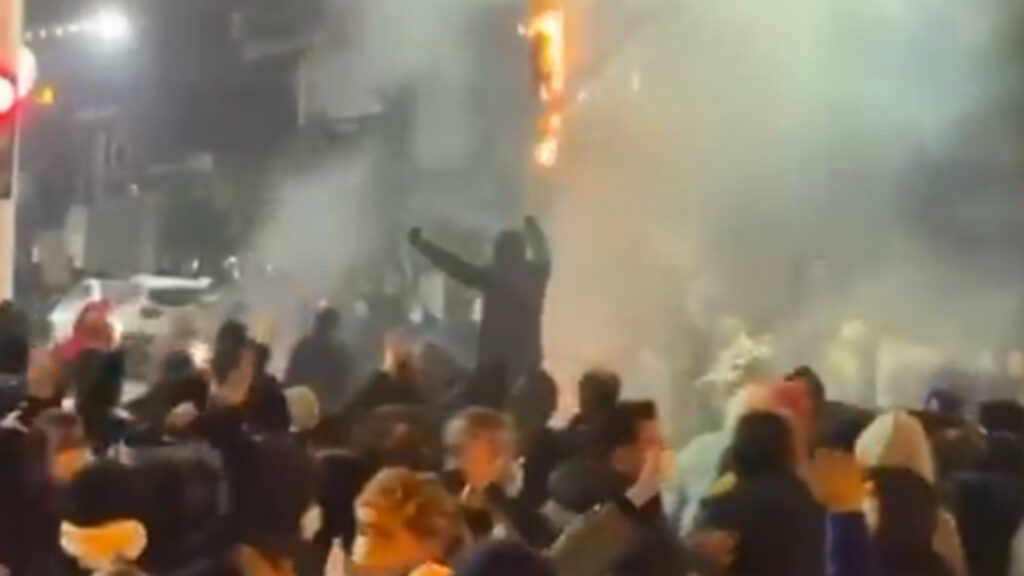
In recent weeks, Iran has witnessed a surge in street protests as thousands of citizens take to the streets, demanding change amidst an escalating economic crisis. The discontent among the Iranian population has been fueled by rising inflation, unemployment, and a declining standard of living debilitating vast segments of the population.
Economic hardship has long been a point of tension in Iran, but the current wave of protests marks one of the most significant public demonstrations seen in years. Citizens criticize government mismanagement and call for reforms to address the deteriorating economic conditions.
Adding complexity to the situation, authorities have imposed an internet blackout in an attempt to control the flow of information and reduce the organization of protests. This digital shutdown has severely disrupted communication, affecting not only protesters but also regular citizens who rely on online services for daily activities.
The internet blackout has drawn international condemnation as a violation of free expression and human rights. Despite restrictions, demonstrators continue to find ways to voice their opposition publicly, often risking arrests and confrontations with security forces.
The Iranian government maintains that the blackout is a necessary security measure to prevent violence and misinformation. However, critics argue it is a tactic to silence dissent and prevent global scrutiny.
Protests have spread across major cities, with demonstrators holding signs, chanting slogans, and blocking roads to draw attention to their demands. The movement reflects a broad spectrum of society, including young people, workers, and activists united against the socio-economic challenges facing the country.
International organizations and foreign governments have called for restraint and dialogue, urging the Iranian authorities to address the root causes of the unrest and restore internet access.
The unfolding events in Iran highlight the intersection of socio-economic grievances and digital governance in a modern era. As the situation evolves, the world watches closely, hoping for a peaceful resolution that respects the rights and welfare of the Iranian people. The resilience and determination of the protesters signal a significant moment in Iran’s contemporary history, underscoring the critical need for sustainable economic and political reforms.