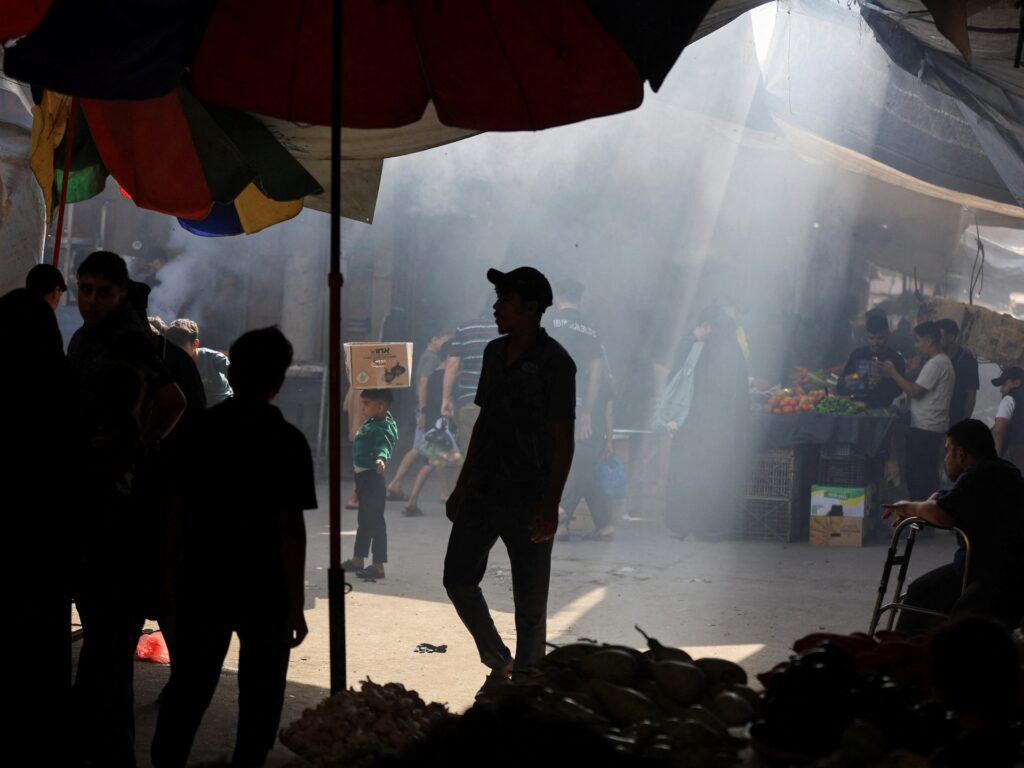
Despite the declared ceasefire in Gaza, Israeli drone attacks have resulted in the deaths of six Palestinians across multiple areas in Gaza. The strikes demonstrate the precarious situation in the region, where violence and tension persist despite ongoing calls for peace and cessation of hostilities.
These recent attacks come amid a backdrop of continued unrest and conflict between Israeli forces and Palestinian groups. The use of drones by Israel for targeted strikes has been a significant and controversial aspect of the conflict, often resulting in civilian casualties and widespread concern from international observers and humanitarian organizations.
UNICEF has reported a grim statistic in relation to the impact of the ongoing conflict on children in Gaza. Since the ceasefire was ostensibly established a year ago, over 340 children have been killed. This figure highlights the severe and tragic toll the conflict has taken on the youngest and most vulnerable members of Palestinian society.
The reported deaths of six Palestinians in these drone attacks add to this legacy of loss and underscore the challenges of achieving lasting peace in the region. Both sides of the conflict remain entrenched in their positions, complicating diplomatic efforts and humanitarian interventions.
International organizations and human rights groups have repeatedly called for renewed efforts to uphold the ceasefire and protect civilians from the ravages of conflict. The recurring violence threatens to undermine any progress made towards peace and recovery in Gaza.
The Israeli government maintains that their drone operations are aimed at targeting militants and preventing attacks against Israeli citizens. However, the collateral damage frequently includes civilians, raising questions about the proportionality and discrimination of such military actions.
The Palestinian territories, particularly Gaza, have endured years of blockade, conflict, and economic hardship, further exacerbating the humanitarian situation. The ongoing hostilities and such incidents as these drone attacks only deepen the crisis affecting millions of Palestinians.
With over 340 children killed since the ceasefire, the psychological and social ramifications are profound. Many children live with trauma, loss of family members, and disruption of their education and daily lives.
Efforts by international mediators to reinforce the ceasefire and promote peace talks continue, but sporadic attacks like these indicate the fragility of the current situation. Both the Israeli and Palestinian authorities face pressure to prevent escalation and prioritize the well-being of civilians.
Human rights advocates emphasize the need for accountability and investigation of deaths resulting from drone strikes and other military operations. Greater transparency could help in building trust and reducing hostilities.
The international community remains vigilant and continues to call for cessation of violence, adherence to international law, and protection of human rights in the conflict zone.
As the situation in Gaza remains volatile, the tragedy of civilian casualties, especially children, highlights the urgent need for durable peace solutions that address underlying political and humanitarian issues.
The continuing violence, despite the ceasefire, serves as a stark reminder that peace remains elusive and that the path ahead requires sustained commitment from all parties involved to end the cycle of violence and suffering in Gaza.