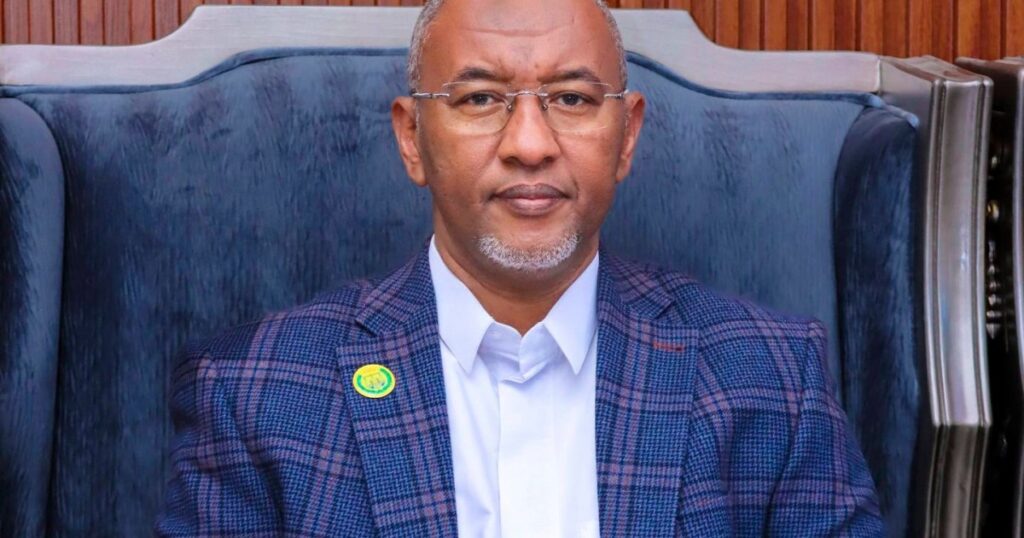
In a significant move that has stirred considerable controversy across the Arab world, a senior official from Somaliland has publicly defended the region’s decision to establish ties with Israel. Speaking to Al Jazeera, the official emphasized that Somaliland had “no choice” but to engage with Israel after enduring years of isolation.
Somaliland, a self-declared independent region in the Horn of Africa, has long remained on the periphery of international diplomacy, facing economic and political challenges due to its unrecognized status. The recent decision to build relations with Israel marks a strategic pivot aimed at breaking this isolation.
The official highlighted that Somaliland’s move is driven by pragmatic considerations rather than ideological alliances. “Our priority is the welfare and development of our people,” he explained. “After decades of neglect and marginalization, we must look for partners who can support our growth and security. Israel’s willingness to engage with us presents such an opportunity.”
This relationship has, however, provoked backlash from several Arab countries and groups who view collaboration with Israel unfavorably amid the ongoing Israeli-Palestinian conflict. Critics argue that Somaliland’s engagement with Israel could undermine regional solidarity and complicate its relations with neighboring Arab states.
Despite these concerns, the official reaffirmed that Somaliland is prepared to face any diplomatic challenges resulting from this partnership. He asserted that Somaliland’s sovereignty and right to self-determination allow it to pursue international relations as it sees fit.
The move also underscores a broader trend where some non-recognized or marginalized regions seek alliances beyond traditional regional alignments to gain political leverage and economic benefits.
Analysts suggest that Somaliland’s engagement with Israel could bring technological aid, security cooperation, and investments, which are vital for the region’s stability and growth. These benefits, they argue, outweigh the potential diplomatic friction with certain Arab nations.
Somaliland’s leadership continues to advocate for increased international recognition, and fostering ties with Israel might be part of a strategy to attract broader global support.
In conclusion, while Somaliland’s ties with Israel have ignited debate and criticism in the Arab world, the region’s officials maintain that this decision is essential for its survival and progress in the face of prolonged isolation. The development is a reminder of the complex interplay between regional politics and the pursuit of national interests in an increasingly interconnected world.