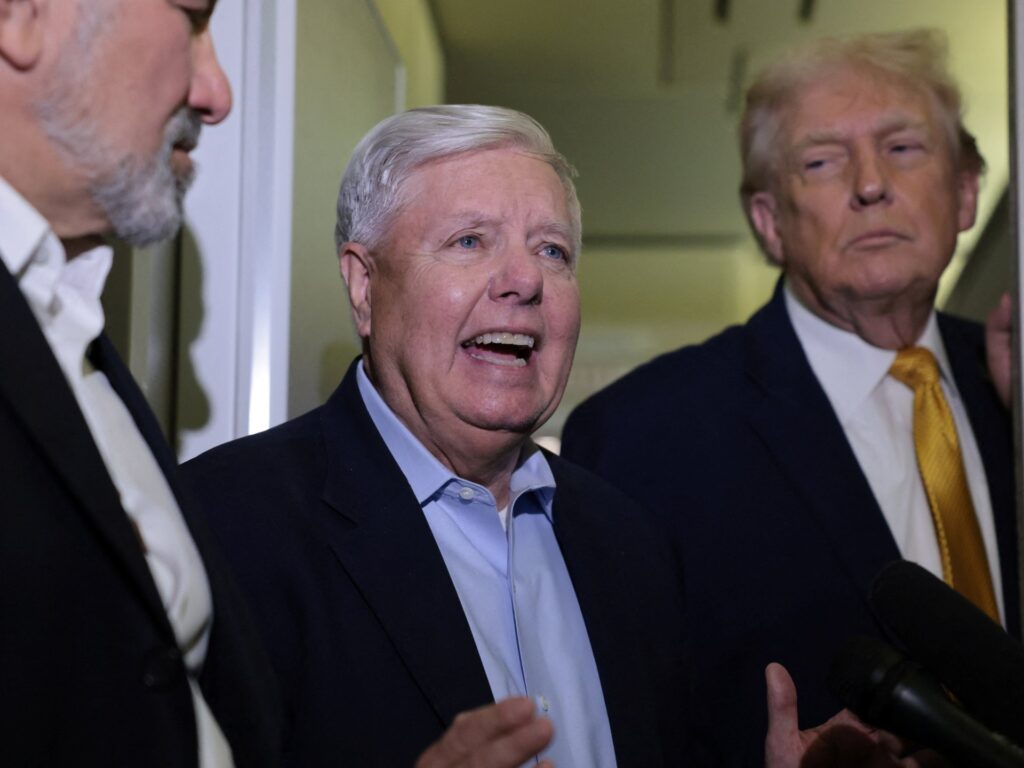
In a striking display of political messaging, former US President Donald Trump was recently photographed wearing a hat emblazoned with the slogan “Make Iran Great Again,” a phrase that echoes his previous campaign motto but shifts focus toward Iran. This appearance comes amid heightened tensions linked to Iran and follows reports of an abduction involving Nicolás Maduro, the Venezuelan leader, further complicating international relations.
Trump’s choice to don the hat coincides with his renewed warnings toward Iran, specifically criticizing their treatment of anti-government protesters. He has vowed to respond “very hard” should Iran’s security forces cause harm to these demonstrators, reflecting a harsh stance typical of his administration’s foreign policy approach.
The backdrop of this event is the controversial abduction reportedly tied to Maduro’s regime, a move that has drawn widespread scrutiny and condemnation. While the details remain murky, the incident has escalated fears about authoritarian actions in the region and amplified concerns regarding Iran’s influence abroad.
Trump’s public pose with the slogan-stamped hat can be interpreted as a symbolic gesture aimed at rallying support for a tougher US policy on Iran. The phrase “Make Iran Great Again” appears to be a provocative twist on his well-known catchphrase, repurposed to suggest a call for reform or change within the Iranian political landscape.
Analysts suggest that this gesture also serves to remind both international audiences and critics within the United States of Trump’s aggressive foreign policy rhetoric. By linking Iran directly with issues of protest repression and regional instability, Trump frames the discourse around US intervention and global leadership.
This development adds a new layer to the ongoing geopolitical challenges in the Middle East. Iran’s government has been under intense pressure due to internal protests and external criticisms. Trump’s statement about hitting Iran “very hard” if protesters are harmed indicates a readiness to intensify US pressure in response to human rights violations.
The image of Trump with the “Make Iran Great Again” hat is likely to stir debates among political commentators and the public. It highlights the enduring volatility of US-Iran relations and underscores the role of symbolic actions in political messaging.
Observers note that such public statements and visual cues often aim to influence public opinion and international diplomacy simultaneously. They serve to strengthen the position of policymakers advocating for stringent measures against Iran while signaling unwavering support for pro-democracy movements within the country.
Overall, Trump’s recent appearance and declarations underscore a continued commitment to a confrontational stance against Iran, especially in light of the Maduro-related abduction and ongoing protests. The international community remains watchful as these tensions unfold, bearing significant implications for regional stability and US foreign policy strategies going forward.