Severe flooding in Nepal and Tibet has resulted in a tragic loss of life, with the death toll now exceeding 1,000. The floods, caused by unprecedented heavy rainfall and subsequent landslides, have devastated vast areas, destroying homes, infrastructure, and livelihoods in both regions.
Authorities and international agencies have launched extensive rescue and relief operations aimed at locating survivors and providing urgent assistance to the displaced. Search teams, equipped with helicopters, boats, and ground personnel, are navigating challenging terrains to reach isolated communities cut off by swirling waters and debris.
The heavy rains have swollen rivers beyond their banks, triggering sudden and powerful flash floods in mountain valleys and plains alike. Entire villages have been submerged, prompting emergency evacuations and the establishment of temporary shelters for thousands of people.
Nepal’s government has coordinated with the military and civil defense forces to carry out rescue missions and distribute food, clean water, and medical supplies. Meanwhile, Tibet’s regional authorities have mobilized disaster response units to assist affected populations and manage damage control.
International support has been forthcoming, with several neighboring countries and aid organizations pledging resources and expert teams to bolster relief efforts. Humanitarian workers are prioritizing the restoration of basic services and addressing health risks posed by waterborne diseases in the wake of the floods.
The catastrophe has also disrupted transportation networks, with key roads and bridges damaged or washed away, complicating logistics and relief delivery. Efforts are ongoing to clear debris and restore access to critical areas.
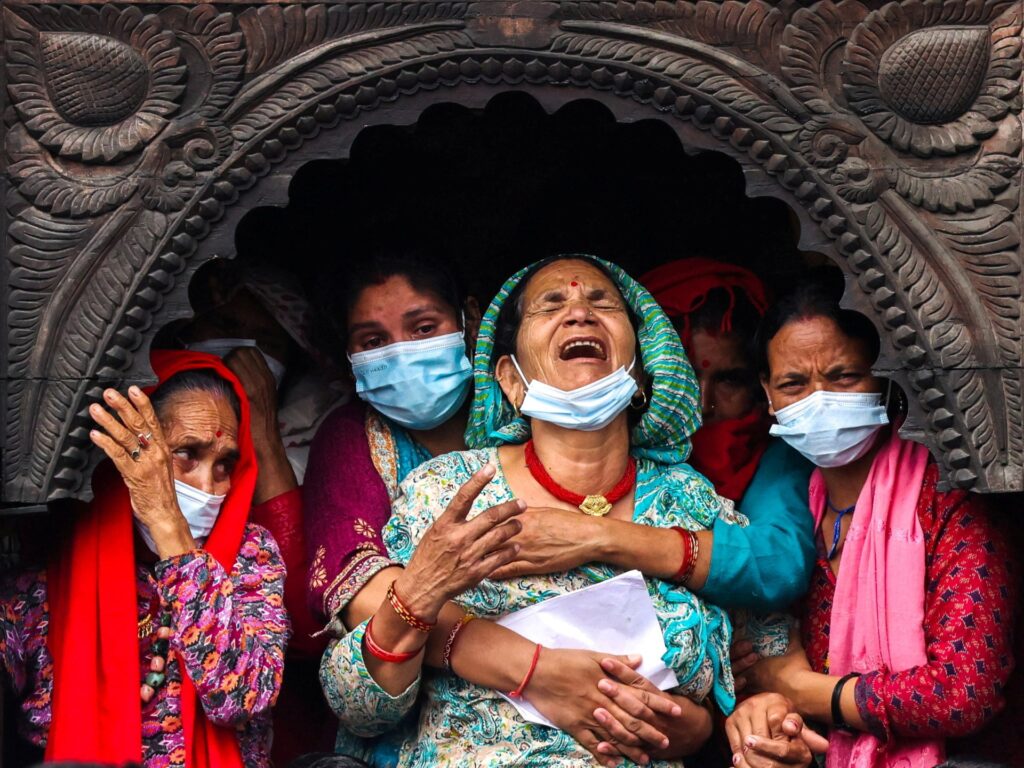
Relatives of missing persons anxiously await news as rescue teams continue their painstaking search amid the devastation. Authorities urge affected residents to adhere to safety directives and cooperate with emergency personnel to facilitate swift and effective operations.
The ongoing disaster highlights the vulnerability of this mountainous region to climate-induced extreme weather events, underscoring the need for improved early warning systems and resilient infrastructure development.
Recovery and rebuilding plans are expected to begin as soon as the immediate crisis subsides, focusing on long-term solutions to mitigate the impact of future floods and protect vulnerable communities.
As the situation evolves, officials remain vigilant and commit to maintaining robust response mechanisms to save lives and alleviate suffering caused by this unprecedented natural disaster.