A catastrophic flood disaster has struck Nepal and parts of China, with the death toll surpassing 1,000 people, marking one of the deadliest natural calamities in recent years for the region. Intense and sustained rainfall has triggered widespread flooding, causing rivers to overflow, landslides, and massive destruction to infrastructure and communities. Authorities in both countries are grappling with the overwhelming scale of the disaster, mobilizing rescue teams to reach the most affected areas.
The floods have particularly impacted hydropower sites, critical to the energy infrastructure in the region. Hundreds of workers are reported to be trapped at these sites, heightening concerns about their safety and the potential for further casualties. Rescue operations are ongoing, with teams employing helicopters, boats, and specialized equipment to navigate the floodwaters and reach those in danger.
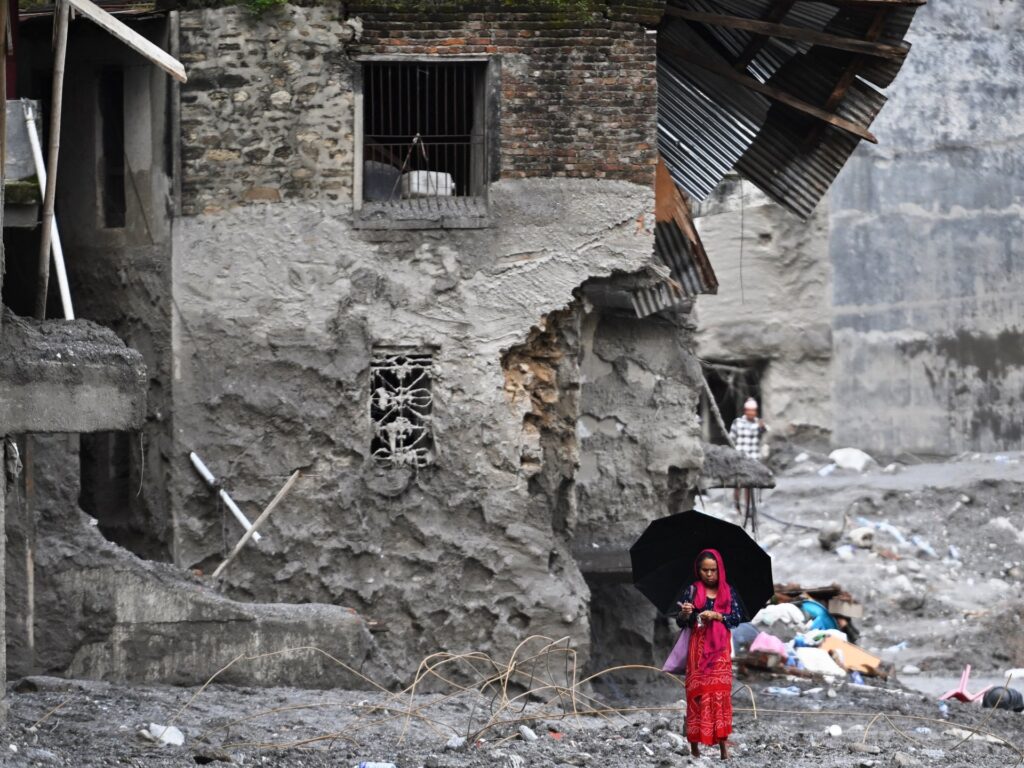
In Nepal, the flooding has swept through multiple provinces, washing away homes, roads, and bridges, leaving thousands displaced and in urgent need of relief. The government has declared a state of emergency and is coordinating with international aid organizations to provide food, shelter, and medical assistance. Floodwaters have contaminated drinking water supplies, raising the risk of waterborne diseases among the affected populations.
China’s southwestern provinces have also experienced severe flooding, with devastating impacts on both urban and rural areas. Industrial zones and agricultural lands have been submerged, threatening the local economy and food security. The Chinese government has launched large-scale evacuations and deployed disaster response teams to mitigate the damage and support recovery efforts.
Weather experts attribute the flooding to an unusual monsoon pattern and increased rainfall intensity, possibly influenced by broader climatic changes. The disaster underscores the urgent need for improved disaster preparedness and resilient infrastructure in regions vulnerable to extreme weather events.
Communities across Nepal and China are demonstrating remarkable solidarity and resilience in the face of the crisis. Volunteers are joining relief efforts, helping to distribute supplies and assist with evacuations. International aid agencies have pledged support, with some already delivering emergency relief materials and medical teams.
The full extent of the damage is still being assessed, with officials warning that the death toll could rise as search and rescue missions continue. The floods have left a lasting impact on the affected regions, highlighting the ongoing challenges posed by natural disasters and the critical importance of coordinated response efforts.
As recovery efforts proceed, attention is also turning to long-term strategies to reduce vulnerability to similar disasters in the future, including enhanced flood control systems, early warning mechanisms, and sustainable land management practices. The recent floods are a stark reminder of nature’s power and the need for ongoing vigilance and preparedness to protect lives and livelihoods.