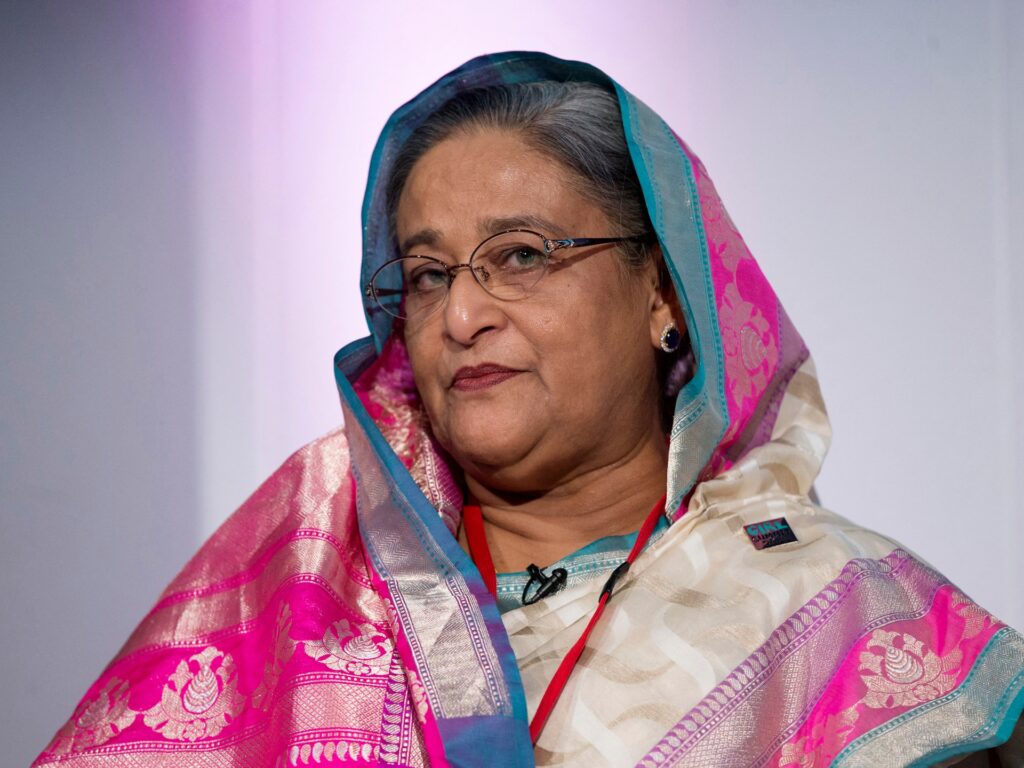
A new report by the Commission of Inquiry on Enforced Disappearances in Bangladesh has revealed alarming figures about forced disappearances during the tenure of Prime Minister Sheikh Hasina. According to the commission, thousands of people have been forcibly disappeared under her rule, with the majority of these cases being primarily politically motivated.
Forced disappearance is a grave human rights violation where persons are secretly abducted or imprisoned by state officials or political agents, followed by a refusal to acknowledge the fate or whereabouts of the victims. This practice leaves families without information and victims without legal protection.
The inquiry conducted by the commission aimed to uncover the truth behind these disappearances and bring attention to the plight of the victims and their families. The findings highlight a disturbing pattern of systematic forced disappearances, overwhelmingly targeting political opponents, activists, and critics of the ruling party.
The commission members expressed concern that these disappearances are not incidental but part of a deliberate strategy to silence dissent and maintain political control. Many of the disappeared individuals were active in opposition parties or involved in social movements challenging government policies.
Human rights organizations have echoed the commission’s findings, calling for immediate investigations and accountability for those responsible. They emphasize the urgent need for the government to respect human rights and ensure justice for the affected families.
International observers have also raised alarms, urging Bangladesh to comply with global human rights standards and to end the practice of enforced disappearances. The global community has condemned such violations and demanded mechanisms be set up to prevent recurrence.
The report by the Commission of Inquiry is a significant step towards exposing the truth but requires prompt follow-up actions. Advocacy groups insist that thorough and impartial investigations must be carried out to bring perpetrators to justice and to formulate protective laws to stop future disappearances.
While the government has not officially responded to this specific inquiry report, advocates stress the importance of transparency and cooperation with human rights bodies. The issue of enforced disappearances remains a critical challenge for Bangladesh’s democratic process and rule of law.
Families of the disappeared continue their fight for answers, holding vigils and campaigning for recognition. Their resilience draws attention to the personal and societal toll of forced disappearances.
This inquiry sheds light on a dark chapter of Bangladesh’s recent history, where political power struggles have led to severe human rights abuses. The international and local response to these findings will be pivotal in shaping the country’s future approach to justice, accountability, and human rights protections.
As Bangladesh moves forward, the call for safeguarding civil liberties and preventing such abuses remains louder than ever. The nation faces a crucial moment to reaffirm its commitment to democratic principles and the dignity of all its citizens.