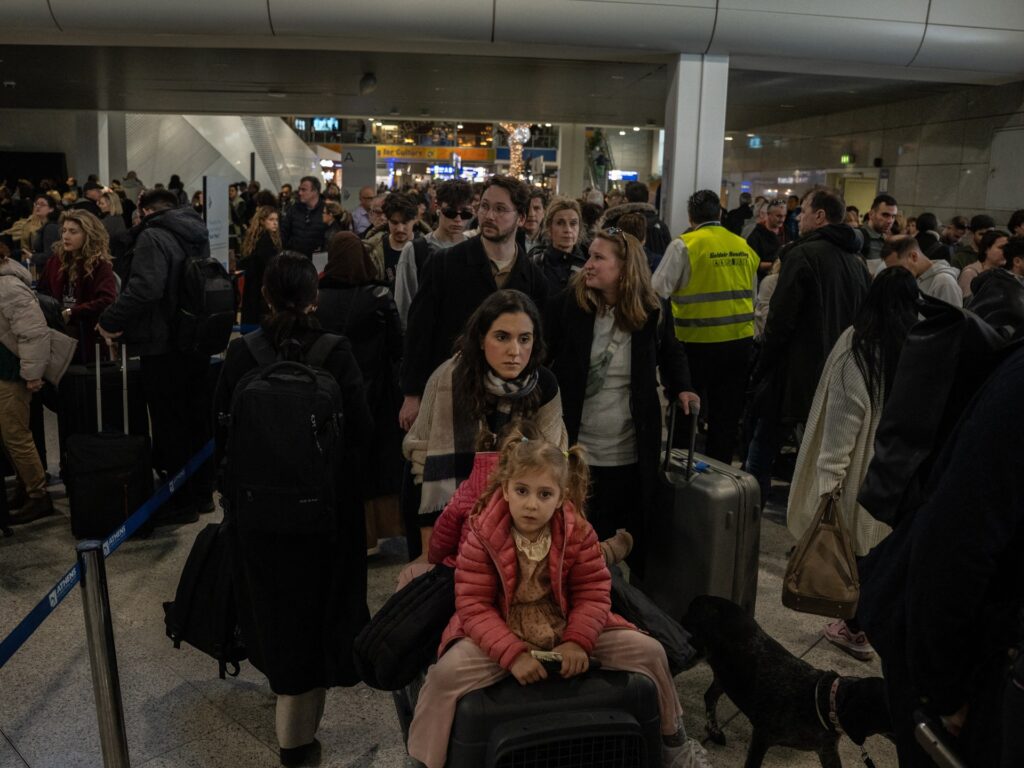
Greek airports experienced a significant disruption in air traffic as radio communication systems failed, bringing operations to a halt. The outage affected the ability to communicate between air traffic controllers and aircraft, leading to widespread delays and grounding of flights in Greek airspace.
Authorities reported that the loss of radio contact created a critical safety issue, as controllers were unable to manage the flow of planes either landing or taking off. The interruption prompted immediate groundings and cancellations to ensure passenger safety.
Emergency measures were enacted to contain the situation while technicians worked tirelessly to restore the communication systems. After several hours, the radio connection was successfully reinstated, allowing air traffic control to resume normal operations.
The disruption not only impacted domestic flights but also had repercussions for international routes passing through Greece’s airspace. Many passengers faced extended travel times and uncertainty as the situation unfolded.
Officials are currently investigating the root cause of the radio failure to prevent future occurrences. The incident highlighted the vital importance of reliable communication infrastructure in aviation safety and operational efficiency.
Greek airport authorities and aviation regulators are reviewing protocols and considering upgrades to technology and emergency response strategies to enhance resilience against similar technical failures.
Meanwhile, airlines worked to reorganize schedules and assist passengers affected by the disruption. Travelers were advised to check their flight statuses regularly and prepare for possible changes during the recovery period.
Overall, while the radio failure caused temporary havoc in Greek airspace, prompt response efforts ensured the issue was resolved, allowing flights to restart and normal airport functions to be restored.