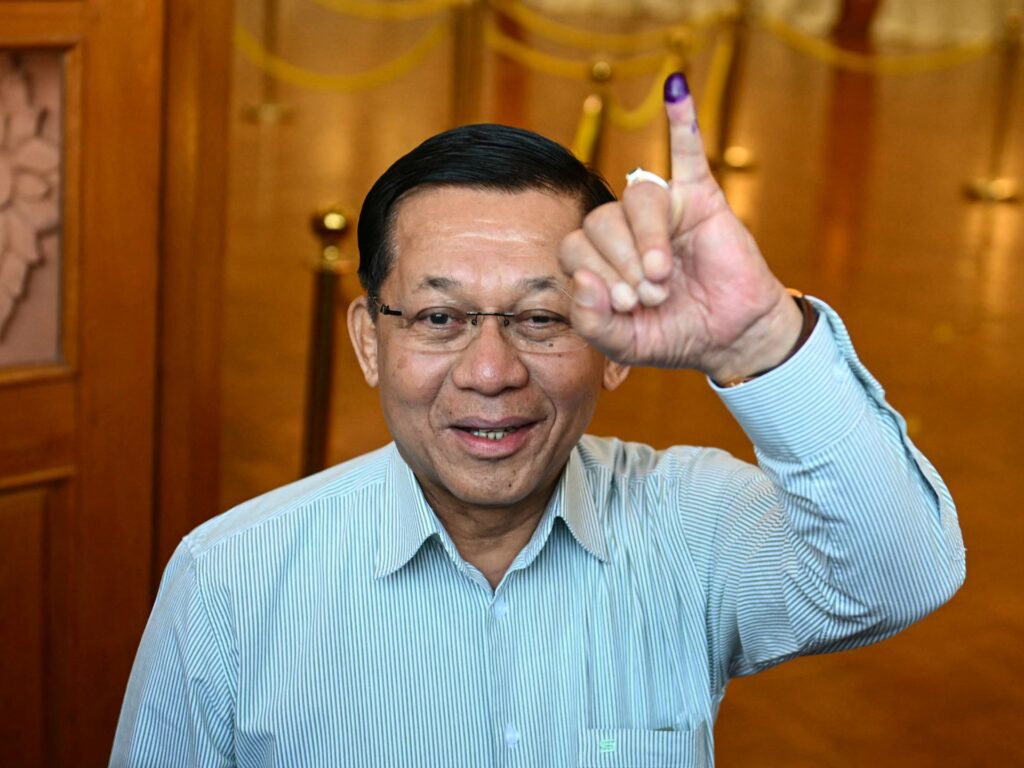
Myanmar conducted its first election since the military coup in 2021, a pivotal event marking a new chapter in the country’s turbulent political landscape. The election, organized under the oversight of the military junta, has stirred significant controversy and widespread criticism from various quarters, including the United Nations, human rights organizations, and political opposition groups.
Since the coup in February 2021, which ousted the democratically elected government, Myanmar has been under strict military control. This election is seen by many as an attempt by the military to legitimize its grip on power despite the ongoing conflict and violence throughout the country.
The electoral process has been sharply criticized for lacking transparency, fairness, and credibility. UN experts and human rights groups have raised concerns about the limitations placed on political freedoms, including arrests of opposition leaders, restrictions on media and civic space, and the absence of neutral electoral oversight.
Opposition parties have described the election as a sham, stating that the conditions under which it is being held do not allow for genuine competition or democratic expression. Many opposition leaders remain detained or have fled the country, crippling the ability of these parties to campaign effectively or participate freely.
Internationally, the response to the election has been mixed but largely skeptical. Many governments and international organizations have called for the election results to be viewed with caution, highlighting the absence of key democratic indicators and the ongoing human rights violations perpetrated by the military regime.
Observers note that the election results could deepen Myanmar’s political crisis instead of resolving it. The military’s consolidation of power through the electoral process is unlikely to quell internal dissent or the ongoing armed conflicts with ethnic groups and pro-democracy forces.
The election underscores the urgent need for a comprehensive and inclusive political dialogue in Myanmar. This dialogue should involve all stakeholders, including ethnic minorities and opposition forces, to create a pathway toward restoring democracy and peace in the nation.
As Myanmar votes, the eyes of the world remain fixed on the country, watching to see whether this election signifies a step towards stabilization or simply entrenches military rule further. The implications extend beyond Myanmar’s borders, affecting regional stability and international relations in Southeast Asia.
Efforts continue by global human rights organizations and the United Nations to engage with Myanmar’s political landscape in hopes of promoting a democratic transition. They emphasize that without meaningful reforms and respect for human rights, any attempt at electoral legitimacy by the military government will likely fail to gain genuine acceptance both domestically and internationally.