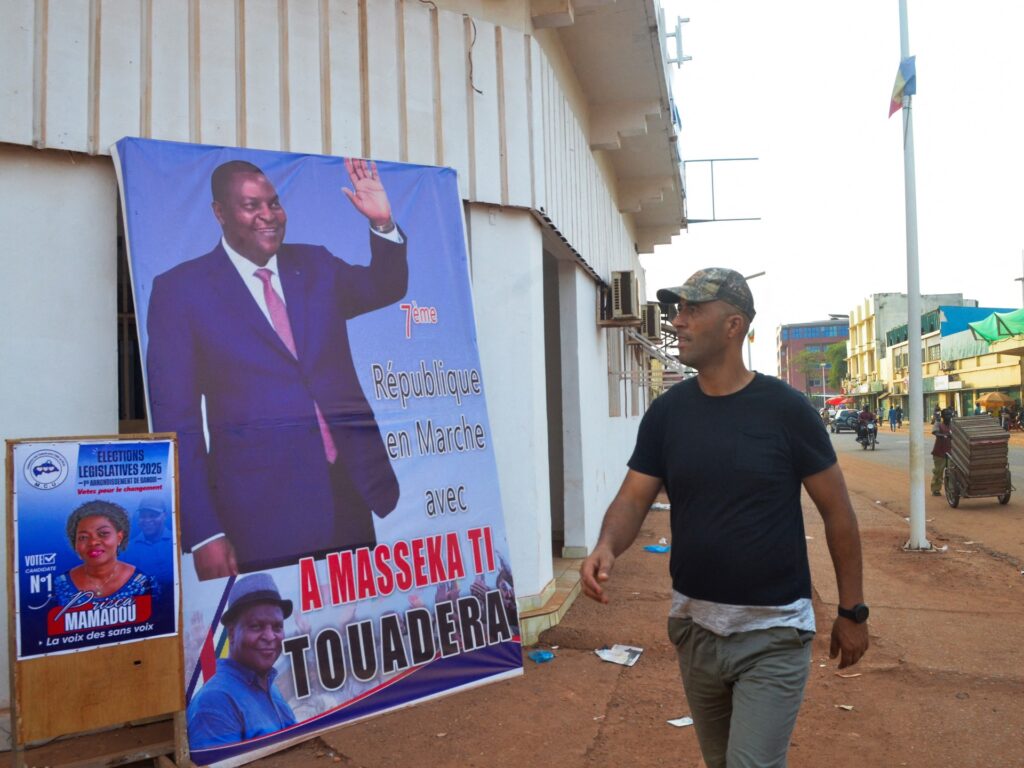
The upcoming presidential election in the Central African Republic (CAR) has drawn significant attention both domestically and internationally. Incumbent President Faustin-Archange Touadéra is seeking a controversial third term, a move that has invited sharp criticism from opposition parties and civil society organizations. This election is pivotal for the country, which has been grappling with political instability, security challenges, and ongoing conflicts.
President Touadéra, first elected in 2016 and re-elected in 2020, argues that his tenure has brought relative stability and progress to CAR. His bid for a third term, however, is contested on constitutional grounds by opposition groups who assert that the constitution limits the presidency to two terms. This constitutional debate forms the backdrop of the broader political tension surrounding the election.
Several opposition candidates are contesting the presidency, each representing different political parties and regional interests. Their campaigns focus largely on promises to restore peace, improve economic conditions, and reform government institutions to increase transparency and reduce corruption.
Key opposition figures include Anicet-Georges Dologuélé, a former prime minister who presents himself as a capable alternative with a clear plan to tackle the country’s issues. Former rebel leaders and other political figures have also entered the race, reflecting the fragmented nature of CAR’s political landscape.
The stakes of this election extend beyond political leadership. CAR is a country marked by ethnic divisions, armed factions, and a humanitarian crisis worsened by conflict and displacement. The electoral process itself faces challenges, including concerns over voter intimidation, limited access in conflict zones, and the ability to conduct free and fair elections.
International observers and regional organizations have urged for a transparent electoral process to help build confidence among all stakeholders. Stability in the CAR is viewed as critical for the broader Central African region, given its strategic location and historical volatility.
Civil society groups have amplified calls for peaceful campaigning and respect for democratic norms. The election’s outcome will influence the CAR’s trajectory toward peace and development or further instability.
In conclusion, the Central African Republic’s upcoming presidential election is a significant event with consequential implications. The decision of President Touadéra to pursue a third term has intensified political debates and mobilized opposition forces. How this election unfolds will be crucial for the nation’s peace, governance, and future prospects, underscoring the urgent need for a credible, inclusive, and peaceful electoral process.