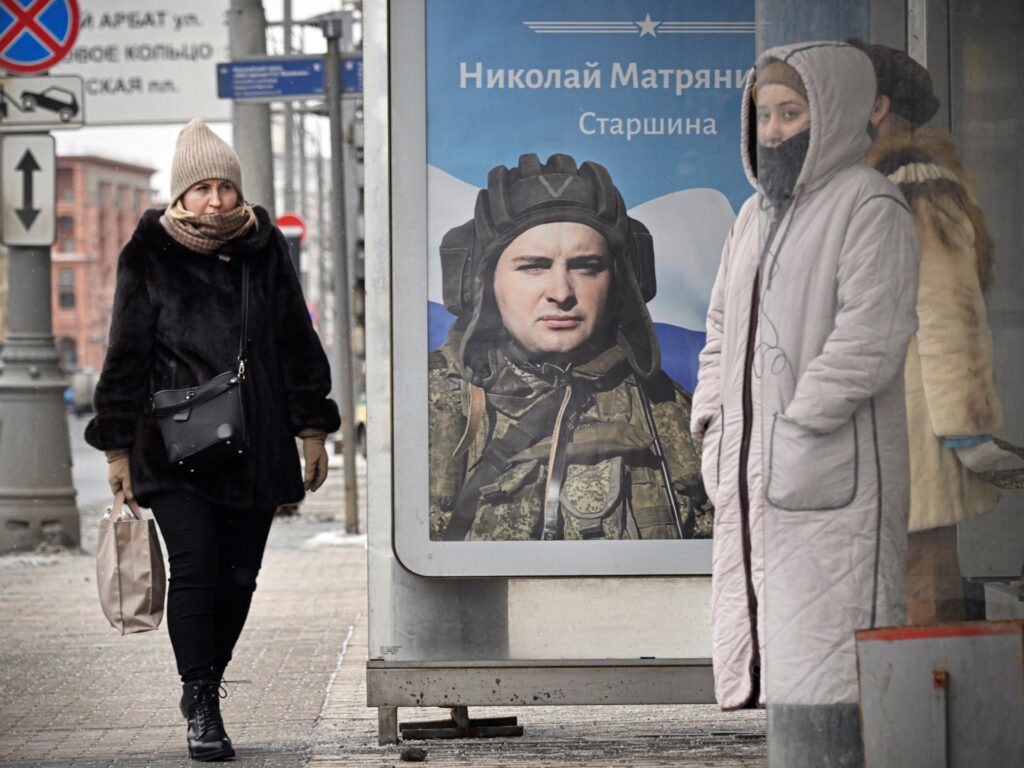
A recent state survey in Russia reveals that the majority of Russians foresee the ongoing conflict in Ukraine concluding by 2026. The optimism among the Russian populace is grounded in a widespread belief that the war will end with Moscow achieving its objectives.
The findings indicate a growing expectation that the protracted conflict, which has shaped geopolitical tensions since its inception, will reach a definitive resolution in the next few years. This outlook persists despite the war’s complex and evolving nature, underscoring a prevailing hope for an orderly conclusion.
The survey highlights a critical sentiment among Russians: the perceived likelihood that their government will fulfill its strategic goals in Ukraine. This perception serves as the main driver behind the optimism surrounding the war’s end date.
Political analysts suggest that the belief in a 2026 resolution is intertwined with the narrative promoted by state media and officials, who emphasize achievable objectives and resilience amid international sanctions and pressures. This narrative appears to consolidate public confidence in the government’s handling of the conflict.
Experts also caution that while the expectation of ending the war by 2026 is widespread, it remains contingent on numerous uncertain factors, including battlefield dynamics, diplomatic negotiations, and international involvement.
The survey’s timing is significant, coming amidst ongoing discussions about peace efforts and the future of Ukraine’s sovereignty and territorial integrity. It reflects how public opinion in Russia aligns with governmental messaging on the war.
Observers note that this outlook could influence Russia’s strategic planning and domestic policy as the government braces for the long-term implications of the conflict.
In conclusion, the state survey illuminates a prevailing perspective among Russians: a hopeful anticipation that the Ukraine war will culminate in 2026 with Moscow’s objectives realized. This optimism, while grounded in current narratives, remains subject to the unpredictable realities of war and diplomacy.