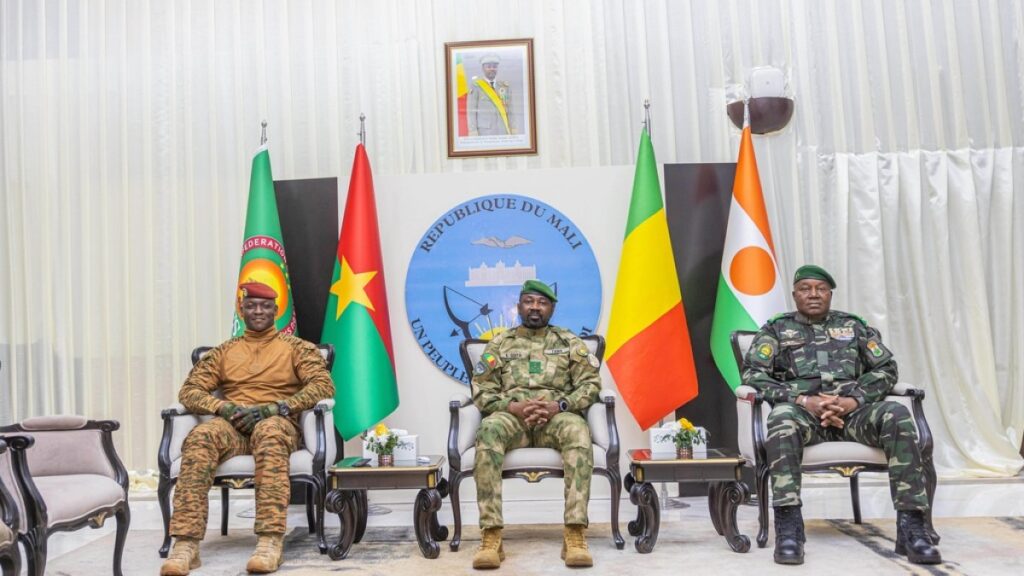
The Sahel region of Africa, spanning across countries from Senegal to Chad, is grappling with a multifaceted crisis, primarily characterized by rising insecurity and the persistent threat of armed groups. At the recent Sahel summit, leaders from the region have come together to confront these challenges head-on, launching a joint battalion aimed at bolstering their collective security efforts.
The Sahel’s biggest challenge is the increasing presence and activities of armed extremist groups, which have caused widespread violence, displacement, and humanitarian crises. These militant organizations exploit ethnic tensions, weak governance, and porous borders to expand their influence, destabilizing the region’s fragile political and social fabric.
In response, the Sahel countries – including Mali, Niger, Burkina Faso, Chad, and Mauritania – have agreed to form a joint military force. This battalion will be tasked with coordinating intelligence, conducting joint operations, and improving rapid response capabilities against terror groups operating across national boundaries. The move represents a significant step towards regional cooperation in security matters, recognizing that unilateral efforts have often been insufficient.
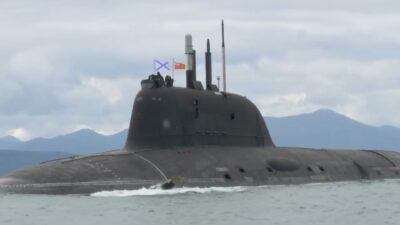
Simultaneously, the Sahel nations are strengthening their ties with Russia, seeking increased military cooperation and support. This pivot comes amid complex geopolitical interests and reflects a desire to diversify international partnerships beyond traditional Western allies. Russia has reportedly offered training, arms supplies, and strategic partnerships that Sahel leaders view as critical in their fight against insurgents.
However, the challenge is not solely military. The root causes of the Sahel’s insecurity also include poverty, climate change, weak governance, and ethnic conflicts. Armed groups often thrive where government presence is minimal, and communities feel marginalized or neglected.
Thus, the summit also emphasized the need for comprehensive strategies – combining security interventions with development programs, governance reforms, and efforts to address economic disparities. Regional cooperation extends beyond military measures to include joint initiatives for education, infrastructure development, and conflict resolution.
International support remains vital. While the Sahel countries strive to build indigenous capabilities, they continue to rely on international organizations and partners for humanitarian aid, peacekeeping missions, and capacity-building programs.
The newly formed joint battalion symbolizes a critical step forward, but it faces daunting obstacles: logistical challenges, varied military capabilities among participating countries, and coordination issues. Additionally, the volatility of the Sahel region requires sustained efforts and adaptability to evolving threats.
In conclusion, the biggest challenge facing the Sahel is the intertwined crisis of escalating armed violence and fragile governance. The recent summit’s initiatives – particularly the joint battalion and enhanced ties with Russia – highlight a determined regional response. Success will depend on integrating security, political, and socio-economic strategies while fostering stronger international partnerships to bring lasting peace and stability to the Sahel.