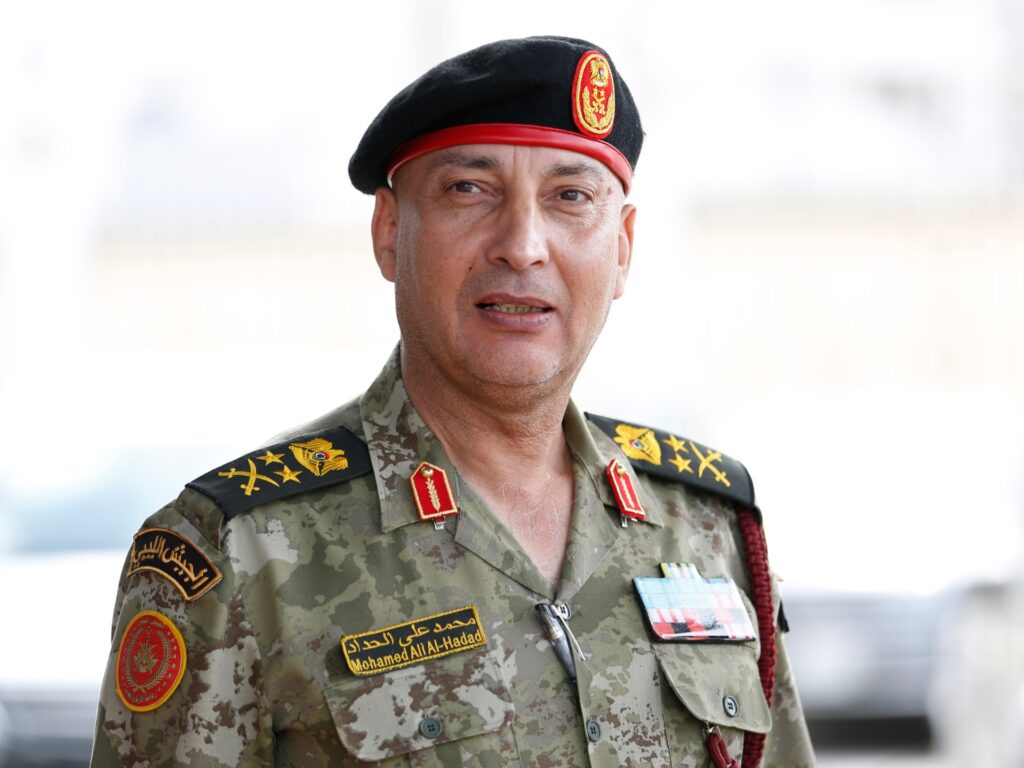
The Libyan military and the nation as a whole are mourning the sudden loss of their military chief, General al-Haddad, who tragically died in a plane crash in Turkey. This unexpected incident has sent shockwaves across Libya, raising serious questions about the future political and military unity of the country.
General al-Haddad was a central figure in the Libyan armed forces, known for his efforts to stabilize the country during times of ongoing conflict and uncertainty. His death in a Turkish plane crash has not only left a void in military leadership but has also triggered widespread sorrow and concern among Libyans both inside and outside the country.
Details surrounding the crash remain limited at this time, with Turkish authorities conducting an investigation to determine the cause of the accident. The crash has sparked numerous speculations, given the already fragile political climate in Libya, where various groups continue to vie for control and influence.
Libya has been grappling with divided governance and intermittent violence for years. The loss of such a key military leader could exacerbate tensions among rival factions and complicate any ongoing efforts to forge national unity and peace.
The government and military officials in Libya have expressed deep condolences to the family of General al-Haddad and have called for calm and solidarity in the face of this tragedy. There are also calls for a thorough inquiry to clarify the circumstances of the crash to ensure accountability.
International reactions have underscored the importance of stability in Libya, highlighting concerns that this incident might affect the delicate balance of power and ongoing diplomatic efforts aimed at resolving the Libyan crisis.
For now, Libya faces a critical moment as it tries to navigate the aftermath of this loss. The military community is rallying to appoint a successor, while political leaders are urged to work together to maintain unity and prevent further divisions.
General al-Haddad’s legacy as a key military leader will undoubtedly influence Libya’s path forward. His death is not only a personal tragedy but also a pivotal event that could reshape the trajectory of Libya’s political and military landscape.
As investigations continue and the nation mourns, all eyes remain on Libya to see how it will respond to this crisis and what it means for the future of the country’s stability and unity.