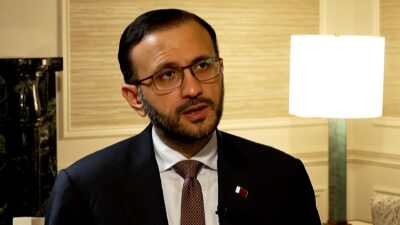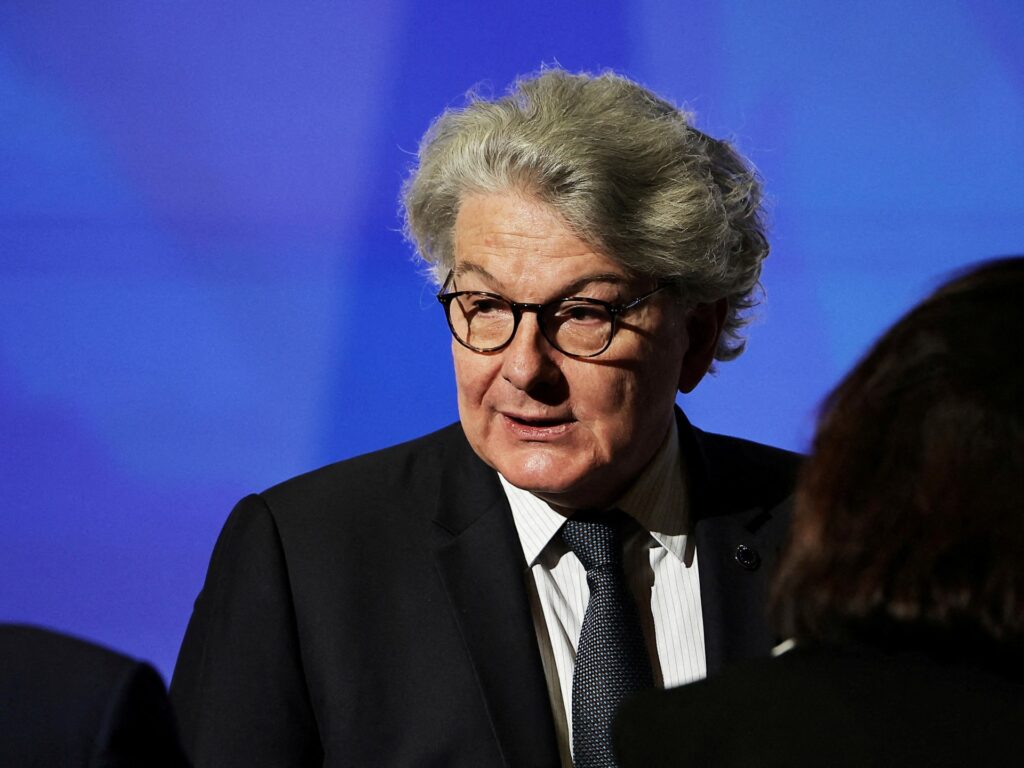
In a significant move highlighting the ongoing tensions surrounding freedom of speech and social media regulation, the United States has announced it will deny visas to five Europeans, including a former European Union commissioner. The US government accuses these individuals of attempting to censor American viewpoints on social media platforms.
This decision reflects the broader geopolitical struggles over control and regulation of digital speech, an issue that has become increasingly contentious amid debates about misinformation, hate speech, and the boundaries of censorship.
The individuals targeted in this visa ban are alleged to have sought to influence or enforce policies that limit or restrict speech from American citizens on major global social media platforms. The US administration has framed this as an unacceptable infringement on free expression rights guaranteed under the First Amendment.
Among those denied entry, the former EU commissioner held a prominent position in shaping digital and social media policy within the EU, a region known for its strict approach to content regulation. The other four individuals are believed to have been involved in similar initiatives promoting content moderation practices that the US views as overly restrictive or biased against American perspectives.
This move by the US government underscores a rising tension not only between transatlantic policy approaches towards internet governance but also between ideals of freedom of expression and the efforts to combat harmful online content. While European nations tend to emphasize greater controls to protect privacy, reduce hate speech, and prevent misinformation, the US has largely championed a more open and less regulated digital speech environment.
Officials in Washington have expressed concerns that European-led censorship efforts could set dangerous precedents that might eventually erode free speech protections globally. By denying visas, the US sends a strong signal that attempts to impose foreign restrictions on American social media discourse will not be tolerated.
This decision is expected to further complicate relations between the US and the European Union regarding digital policy coordination and international cooperation on social media regulation. It also raises questions about the future of global internet governance where divergent regulatory philosophies clash.
Legal experts warn that such politically motivated bans could escalate into a tit-for-tat diplomatic conflict, potentially impacting negotiations on other critical issues such as trade, cybersecurity, and data privacy standards.
In response, some European officials have defended their approaches to social media governance as necessary measures aimed at protecting citizens from harmful content and maintaining democratic discourse. However, the US stance emphasizes that such protections should never come at the cost of limiting fundamental freedoms.
This case highlights the delicate balance governments must strike in regulating the digital ecosystem—balancing the right to free speech with the need to address harmful and misleading content online. The US’s decision to bar these individuals underscores its commitment to preserving free expression even in the face of growing international pressure to adopt stricter social media controls.
As global conversations about social media continue to evolve, this incident marks a significant flashpoint demonstrating how differences in regulatory philosophies can have real-world diplomatic consequences. The United States’ firm stance signals that it is prepared to take concrete actions to defend American viewpoints at a time when the rules governing online speech remain hotly debated worldwide.
This episode will likely prompt renewed discussions in international forums regarding the development of common principles to guide digital speech regulation and to avoid direct confrontations between major geopolitical powers on this critical issue.