In recent times, the Israeli government’s approach toward media outlets, particularly Al Jazeera, has sparked intense debate and concern among media watchdogs, international observers, and critics. Accusations are mounting that Israel is effectively waging a war on the media, using new stringent laws and regulations to clamp down on dissenting voices and curtail freedom of speech.
These critics argue that the government’s media policies and actions carry a distinct agenda to silence voices that challenge or criticize official narratives, especially coverage concerning the Israeli-Palestinian conflict. Al Jazeera, known for its extensive reporting in the Arab world and its often critical coverage of Israel, has found itself frequently targeted by Israeli authorities.
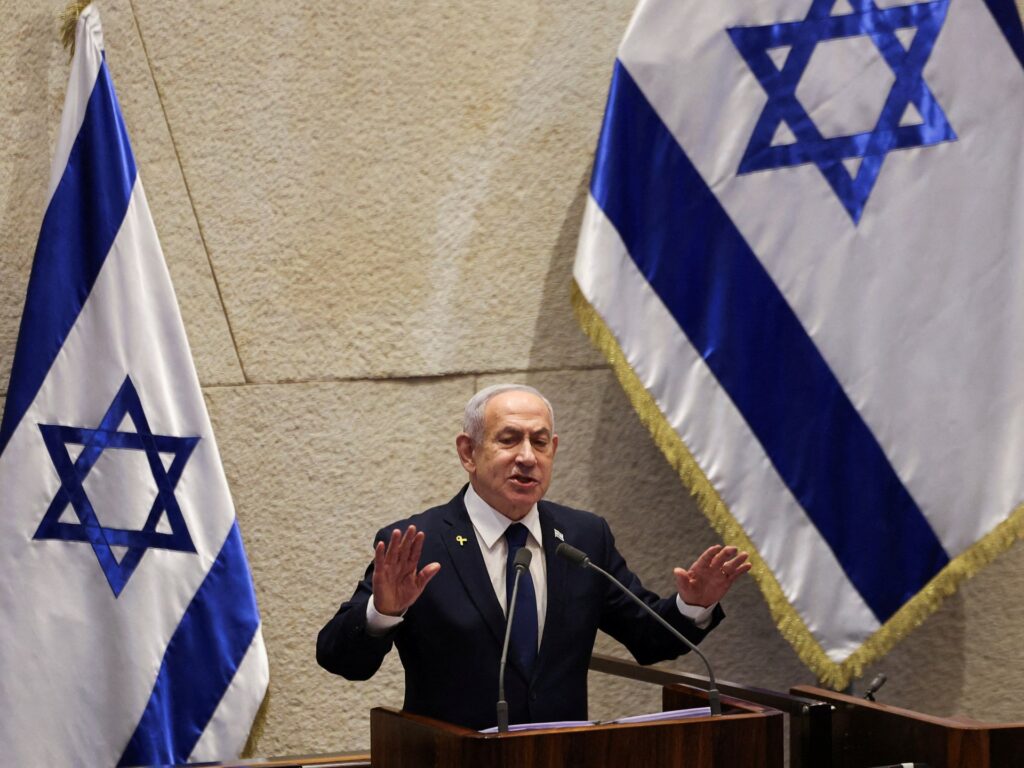
Several recent legislative moves by the Israeli Knesset have drawn international attention. These laws introduce tighter controls over media licensing, content distribution, and punishments for what is labeled as “biased” or “inciteful” reporting. While the government defends these measures as necessary for national security and countering misinformation, opponents see them as attempts to undermine independent journalism and media pluralism.
Israeli officials maintain that the laws and legal actions against media like Al Jazeera are part of routine regulatory practices to ensure fair and factual reporting. However, the disproportionate targeting of specific outlets has raised alarms about selective enforcement and political motivations.
Media freedom organizations such as Reporters Without Borders and the Committee to Protect Journalists have expressed concern that these measures erode the democratic fabric of society. Free press is widely regarded as a cornerstone of democracy, enabling citizens to make informed decisions and hold governments accountable.
Moreover, journalists working for Al Jazeera and other critical outlets have faced harassment, arbitrary arrests, and legal battles, further chilling the space for independent reporting. This contributes to a climate of fear and self-censorship among media professionals in Israel and the Palestinian territories.
The struggle for a balance between national security and press freedom remains a contentious issue worldwide. In Israel, this tension is amplified by ongoing conflicts and geopolitical sensitivities, making the role of media all the more crucial in conveying diverse perspectives.
International human rights groups have called upon the Israeli government to reconsider its approach and to guarantee the protection of media rights, ensuring that all voices can be heard without fear of repression. Upholding press freedom not only supports democratic values but also fosters transparency and dialogue essential for peaceful conflict resolution.
In conclusion, the criticism that Israel’s government is waging a war on Al Jazeera and the media reflects deep tensions between state security concerns and the fundamental democratic principle of free speech. As the debate continues internationally, the outcome will likely influence the broader conversation about media freedom in conflict zones and democracies alike.