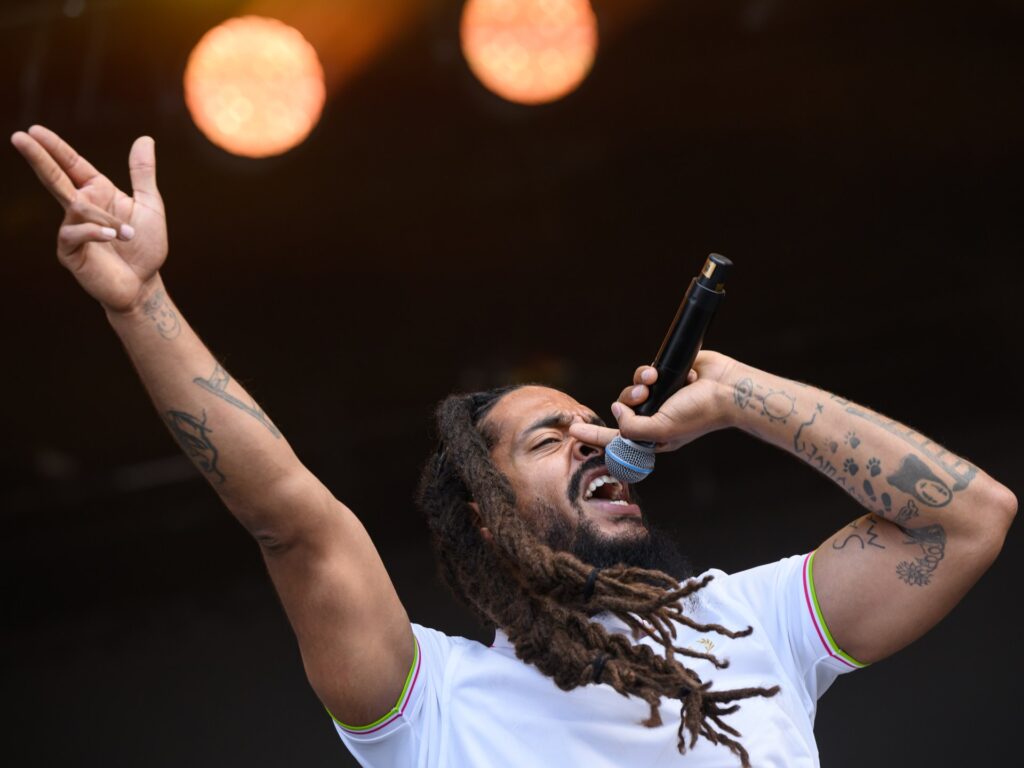
The UK police have officially dropped their investigation into the chants made by Bob Vylan regarding the Israeli military during the Glastonbury festival. Authorities concluded that there is insufficient evidence to bring any charges related to the incident, ending the probe.
Bob Vylan, a British musical act known for their politically charged performances and social commentary, sparked controversy during their set at the Glastonbury festival when the band made chants critical of the Israeli military. The comments led to complaints and prompted an official police investigation to determine whether any criminal offenses had been committed.
After careful examination of the chants and context, the police found no conclusive evidence that the remarks made during the performance constituted hate speech or any other criminal activity. The decision to drop the investigation was based on a lack of sufficient proof that the chants incited violence or hatred against any group.
This development is seen as a clarification of the boundaries between political expression at music festivals and unlawful speech. Advocates for free speech emphasize the importance of protecting artistic expression, especially when it addresses contentious political issues.
The Glastonbury festival, one of the largest music festivals in the UK, has a long history of hosting acts that engage in political and social commentary. The incident involving Bob Vylan reflects the ongoing tension between artistic freedom and societal sensitivities surrounding international conflicts.
Supporters of Bob Vylan applaud the decision to drop the investigation, viewing it as a victory for free speech rights. The band has previously been outspoken about various political causes, often using their platform to challenge authority and highlight social injustices.
Critics, however, argue that speech concerning sensitive geopolitical issues should be carefully monitored to prevent the spread of hate and misinformation. The police’s conclusion suggests that while the chants were contentious, they did not meet the legal threshold for criminal prosecution.
The case underscores the challenges faced by law enforcement in balancing the right to free expression against the need to curb harmful rhetoric. It also raises questions about how political statements at public events are interpreted in the context of free speech laws.
In sum, the closure of this investigation marks a significant moment in the ongoing conversation about free speech, artistic freedom, and the limits of lawful expression in the UK. The ruling is likely to influence how similar cases are approached in the future, particularly in settings where political issues are brought to the forefront through art and performance.