CBS has faced significant backlash after deciding to pull a ’60 Minutes’ report investigating the conditions at Salvador’s CECOT prison. The correspondent responsible for the story has publicly stated that the report was postponed due to political reasons, sparking controversy and discussions about censorship and media freedom.
The investigative piece aimed to shed light on alleged human rights abuses and operational concerns within the juvenile detention facility called CECOT. The report was reportedly ready for broadcast but was suddenly withdrawn by CBS, citing a need for additional work and verification.
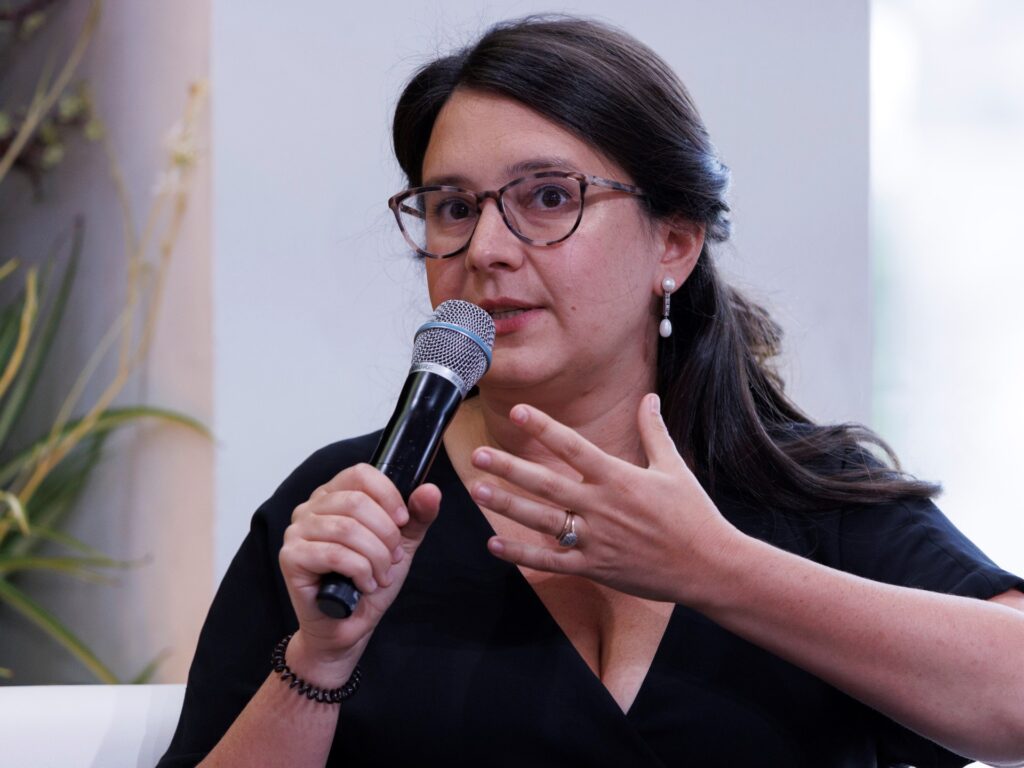
The correspondent, whose name has been linked to the report, expressed disappointment and frustration over the decision, emphasizing the importance of bringing these issues to public attention. According to the journalist, external political pressures influenced the network’s decision-making process, raising questions about the integrity and independence of major media outlets.
CBS, however, defended its stance, stating that the report required further refinement to ensure accuracy and fairness. The network emphasized its commitment to thorough and responsible journalism, acknowledging the sensitive nature of the allegations contained in the report.
The incident has ignited a debate among media critics, human rights organizations, and the general public. Many accuse CBS of yielding to political pressure and compromising journalistic standards. Others argue that the network is exercising due diligence before airing a potentially explosive story.
Experts on media ethics highlight the delicate balance between exposing wrongdoing and ensuring factual accuracy. The pullback of the report serves as a stark reminder of the challenges faced by journalists reporting on politically sensitive topics.
Meanwhile, the conditions at CECOT have long been a subject of concern. Reports from human rights groups detail overcrowding, inadequate medical care, and mistreatment of inmates, particularly juveniles. The anticipated ’60 Minutes’ special promised to bring renewed attention to these issues.
The decision to withhold the report at the last moment has disappointed advocates who view media exposure as crucial for prompting reforms in the Salvadoran prison system. Some policymakers and activists are calling for an independent investigation into both the prison conditions and the network’s decision to pull the report.
CBS’s move has also reignited conversations about the influence of government and political interests in media. The Salvadoran government has not publicly commented on the matter yet, but insiders suggest there may have been pressure exerted behind the scenes.
This incident underscores a broader global concern regarding press freedom and the vulnerability of investigative journalism in an era of increasing political polarization and corporate influence.
As the story unfolds, audiences and media watchdogs alike await a resolution and hope for transparency from CBS regarding the status of the report and its future plans.
The controversy surrounding the ’60 Minutes’ coverage of CECOT prison serves as a critical case study in the intersection of media, politics, and human rights, illustrating the ongoing struggle to hold power to account through diligent reporting.