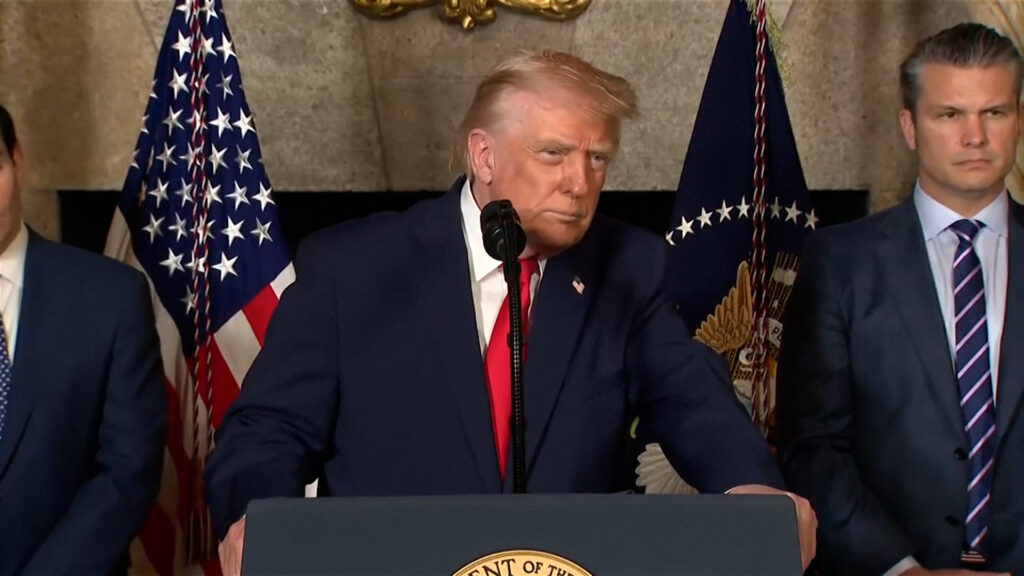
In a recent exchange filled with geopolitical tension, Venezuelan President Nicolás Maduro has openly rejected warnings from former U.S. President Donald Trump. Trump cautioned Maduro against “acting tough,” urging him to reconsider his stance amid ongoing political and humanitarian crises in Venezuela. Maduro, however, responded firmly by telling Trump to focus on his own country instead.
This clash between the two leaders comes at a time when Venezuela’s political landscape is fraught with challenges, including economic instability and international scrutiny. Trump’s message to Maduro was clear: “Don’t play tough,” suggesting that Maduro’s aggressive rhetoric or policies could provoke harsher consequences or international pressure.
Maduro’s response was swift and defiant, dismissing the warning as unwarranted interference. He asserted that the United States should address its internal issues before attempting to dictate Venezuela’s affairs. This exchange highlights the strained relationship between the Venezuelan government and the United States, which has been marked by sanctions, diplomatic disputes, and divergent political ideologies.
The dynamics of this confrontation underscore the complexities of leadership and sovereignty in international relations. Maduro’s stance reflects a broader sentiment in some parts of the world that external powers should not interfere in domestic matters, especially when those external powers have their own significant challenges.
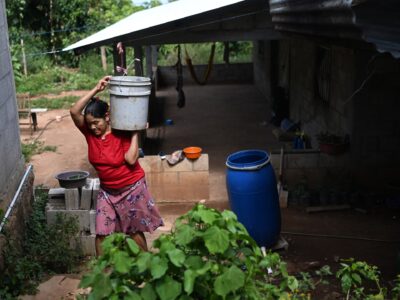
Venezuela continues to face significant economic hardships, including hyperinflation and shortages of basic goods, which have led to widespread disenchantment among its citizens. The government’s refusal to back down in the face of international criticism adds another layer of difficulty to resolving the crisis.
Trump’s approach towards Venezuela during and after his presidency has been characterized by a hardline posture, including sanctions aimed at pressuring Maduro’s government to transition power. The latest exchange reiterates that this approach remains contentious and unlikely to change in the near future.
This public spat between Maduro and Trump reignites discussions about the role of international diplomacy and the balance between exerting influence and respecting national sovereignty. As Venezuela grapples with its internal problems, the international community watches closely, understanding that stability in Venezuela has broader implications for regional security and humanitarian welfare.
Ultimately, this episode serves as a reminder of the challenges faced by nations dealing with political crises and the complications that arise when external voices seek to influence outcomes. The warnings and rebuttals exchanged between Trump and Maduro encapsulate a fraught chapter in the evolving story of Venezuela’s future on the world stage.