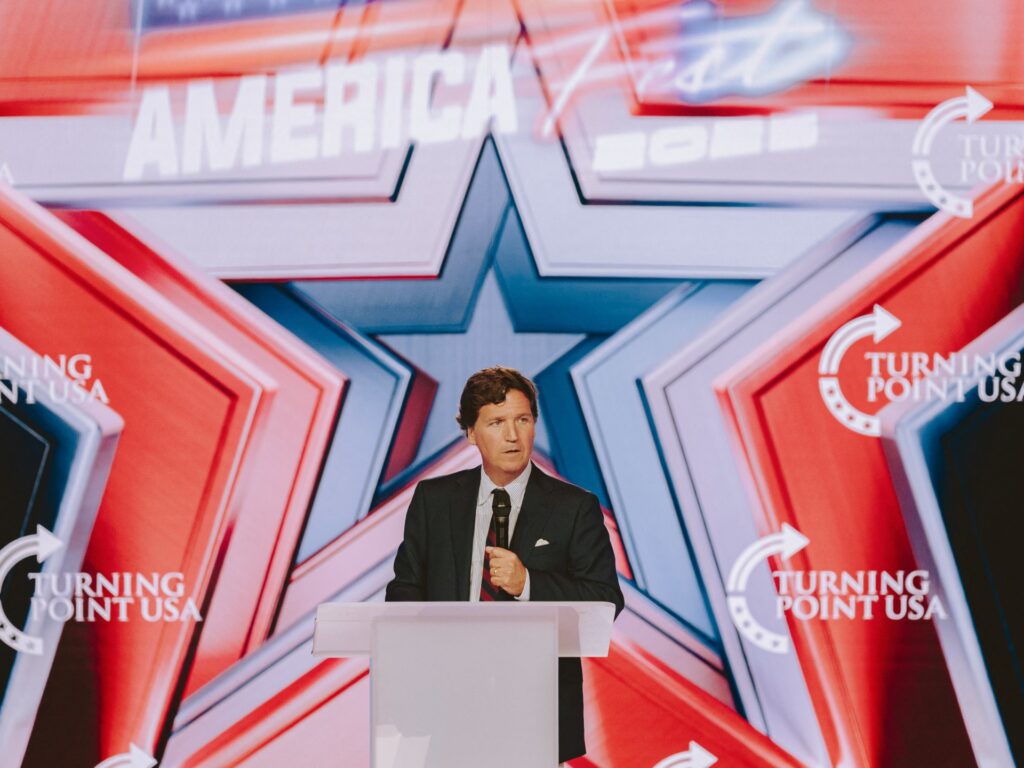
Turning Point USA (TPUSA) recently held its AmericaFest conference, marking a significant milestone as the first event without its longtime leader Charlie Kirk at the helm. This change in leadership coincided with a gathering that revealed growing ideological rifts within the broader conservative movement.
AmericaFest, known for bringing together conservatives from across the nation, took on new dynamics amid shifting political attitudes and leadership changes within TPUSA. The event, held annually, aims to galvanize young conservatives, promoting principles of limited government, free markets, and individual liberties.
This year’s conference saw a range of speakers and attendees expressing differing visions for the conservative future, underscoring divisions that have been simmering beneath the surface. Attendees noted a departure from Charlie Kirk’s signature style and agenda, reflecting broader debates about strategy, messaging, and priorities in the post-Kirk era.
One key point of contention centered around the movement’s approach to cultural issues. While some participants advocated for a traditional conservative focus on family values and religious principles, others called for a more inclusive and modern approach aimed at expanding the movement’s appeal to younger and more diverse demographics.
Economic policies were another bone of contention. The conference featured discussions on the role of government regulation, taxation, and trade, with factions emerging between free-market purists and those endorsing pragmatic government interventions to address socio-economic inequalities.
The absence of Kirk was noted in multiple sessions, with some attendees expressing nostalgia for his brand of activism, which often embraced a combative style and direct engagement with media. In contrast, new leaders at TPUSA promoted a tone that sought to bridge divides and emphasize coalition-building within the conservative camp.
Social media buzzed with commentary as highlight moments, including speeches and panel debates, were widely shared and dissected online. Analysts observed that this dialogue around ideological diversity within the movement could either signal a healthy evolution or risk fracturing conservatives into competing camps.
The conference interface showcased exhibits and workshops designed to equip young conservatives with tools for political advocacy, grassroots organizing, and media savvy. These sessions reflected a strategic emphasis on nurturing the next generation of leaders amid an increasingly complex political landscape.
Overall, TPUSA’s AmericaFest underscored the vibrant yet sometimes fractious character of contemporary conservatism in America. The event’s revelations about ideological divides suggest that the movement is at a crossroads, grappling with how to maintain unity while evolving to meet new challenges and constituencies.
As TPUSA moves forward, the impacts of these ideological debates will likely shape its trajectory and influence the broader conservative agenda. The organization’s ability to reconcile differing perspectives could determine its role in future political discourse and elections.
AmericaFest 2024 thus serves not only as a platform for celebration and networking but also as a reflective mirror for the conservative movement’s ongoing transformation. Observers will be watching closely to see how TPUSA and its affiliates navigate these internal dynamics in the months and years ahead.