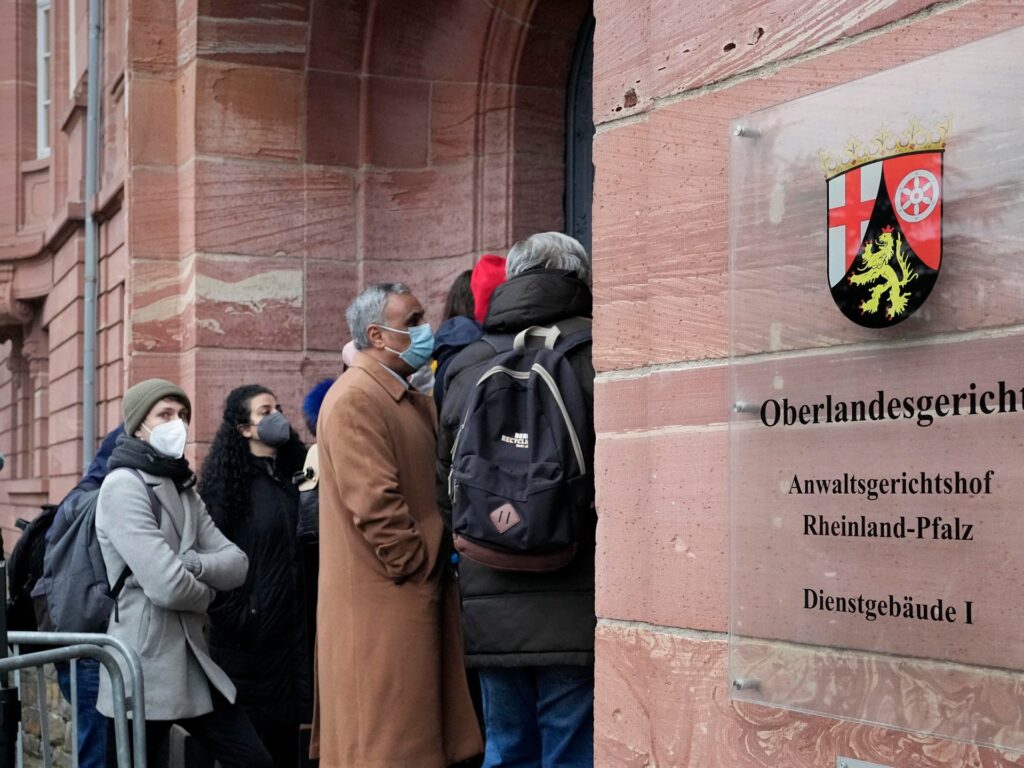
In a significant legal development, German prosecutors have charged a former Syrian prison guard, identified as Fahad A., with committing abuses during the Assad regime. The allegations include the torture of dozens of prisoners detained in a jail operated by Syrian intelligence services. This move highlights Germany’s ongoing commitment to prosecuting international human rights violations and war crimes, even if they occurred outside its borders.
The accused is alleged to have been actively involved in the systematic mistreatment and torture of detainees under the regime of Syrian President Bashar al-Assad. The charges come after comprehensive investigations by German authorities aiming to hold accountable those responsible for severe human rights violations during the Syrian civil war.
Germany has become a hub for such prosecutions, providing a legal platform for Syrian victims to seek justice. Many victims and witnesses have come forward with testimonies that have contributed to building the case against Fahad A. The accused is suspected of directly participating in physical and psychological torture that caused immense suffering to inmates.
This case is a part of broader efforts worldwide to apply the principle of universal jurisdiction, allowing countries like Germany to prosecute crimes against humanity regardless of where they were committed. By charging Fahad A., German prosecutors send a clear message that perpetrators of atrocity crimes cannot evade justice by fleeing their home countries.
The investigation followed numerous reports and testimonies from survivors and human rights organizations documenting widespread abuses in Syrian detention centers controlled by the Assad regime’s intelligence apparatus. These reports detail brutal treatment, including beatings, electric shocks, and other forms of torture used to suppress dissent and extract information.
Legal experts view this prosecution as a landmark case that could set precedents for future trials against individuals accused of similar crimes. The German judiciary’s willingness to confront such grave issues underscores the importance of international cooperation in addressing crimes against humanity.
The formal charging of Fahad A. also reflects Germany’s larger policy of confronting the legacy of conflicts abroad by ensuring accountability. This approach not only seeks justice for victims but also aims to deter future violations by establishing that such acts will be met with legal consequences.
As the case proceeds, the world watches closely to see how the courts will handle evidence and testimonies from one of the most harrowing conflict zones in recent history. Observers hope that successful prosecution will provide a measure of closure to survivors and reinforce the global fight against impunity for war crimes.
This development marks a milestone in the international community’s ongoing struggle to address the atrocities committed during the Syrian conflict and reinforces the critical role of national courts in the pursuit of human rights worldwide.