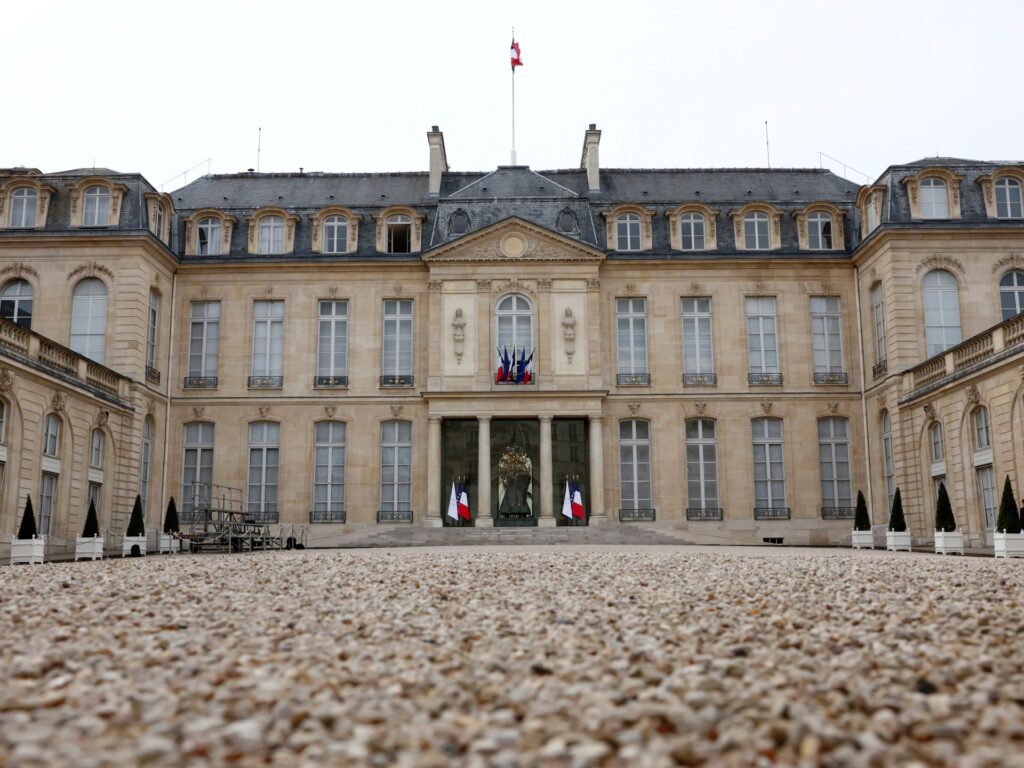
A significant legal case has emerged involving an employee at France’s Elysee Palace, the official residence of the French President, who is set to face trial over allegations of theft. Authorities have arrested three individuals connected to the suspected crime, which involves the disappearance of valuable items from the premises. The stolen goods are estimated to be worth between 15,000 and 40,000 euros, highlighting the gravity of the case and the potential breach of trust within one of the nation’s most secure and prestigious locations.
The Elysee Palace, known for its pivotal role in French political life, houses numerous valuable artifacts and possessions, many of which hold historical and cultural significance. The theft has raised concerns about security measures and the vetting process for employees working within such sensitive government areas.
Investigations began after suspicions were raised about missing items during routine audits. Law enforcement launched an inquiry that led to the arrest of three suspects, including one employee of the Palace. The identities of those involved have not been disclosed to protect the integrity of the ongoing legal process, but officials have confirmed the arrests through formal announcements.
Court proceedings are expected to delve into the details of how the theft occurred, the extent of the involvement of the accused, and the recovery of the stolen goods. The trial will also examine if any lapses in security protocols contributed to the loss of these valuable items.
The French government has emphasized its commitment to transparency and accountability, assuring the public that the palace remains a secure environment for the preservation of national heritage. Security enhancements and stricter monitoring measures are anticipated as a response to this incident.
This case shines a spotlight on the challenges faced in protecting governmental institutions and their assets, reinforcing the need for continuous vigilance and improved safeguards. The outcome of the trial will be closely watched, with implications not only for those directly involved but also for the broader approach to security within government operations in France.
As the trial approaches, there is considerable interest both from the public and the media, reflecting the high-profile nature of the Elysee Palace and the serious allegations made against one of its workers. The judicial system’s handling of this case will likely serve as a precedent for managing similar incidents in the future.