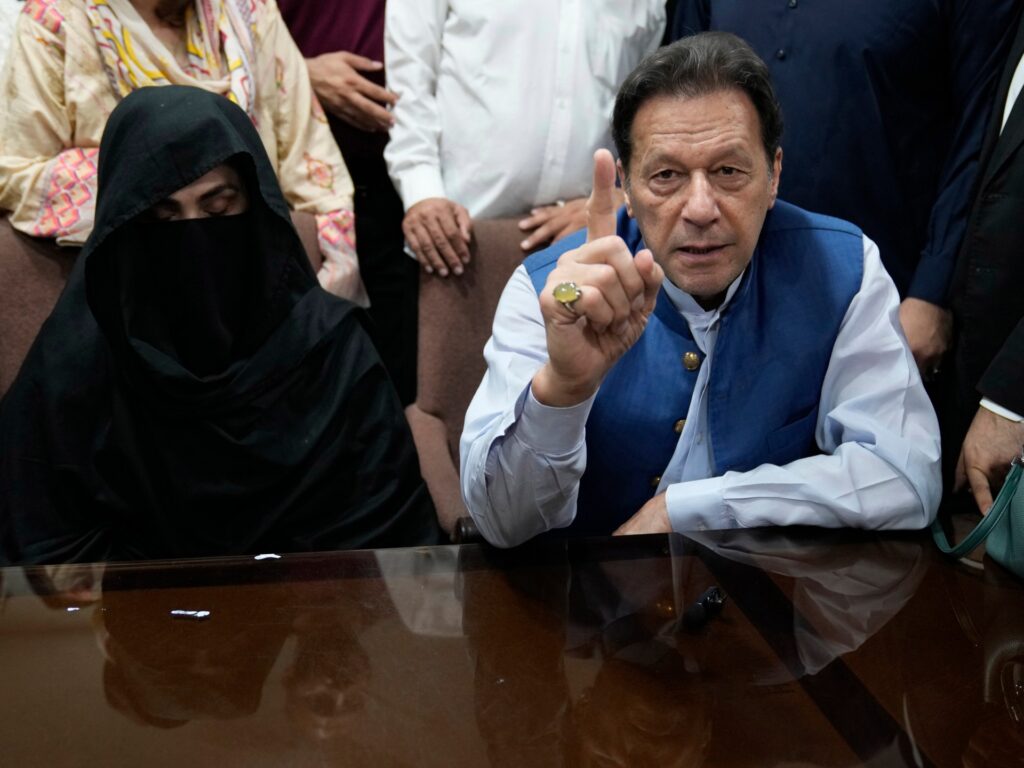
In a significant development in Pakistan’s political and legal landscape, former Prime Minister Imran Khan and his wife have been sentenced to 17 years in prison in a high-profile corruption case. The case revolves around allegations that the duo misrepresented the value of state gifts, including valuable jewellery, which they received during Imran Khan’s tenure as the country’s leader.
The court ruling marks a momentous decision amid increasing scrutiny over corruption allegations against political figures in Pakistan. Authorities had accused Imran Khan and his wife of undervaluing these items, potentially causing financial harm to the state by not declaring the true worth of the gifts.
Both Imran Khan and his spouse have vehemently denied the charges, maintaining their innocence throughout the investigation and trial. They assert that the accusations are politically motivated and part of a larger campaign to discredit Khan, who has remained a prominent figure in Pakistani politics even after his tenure as Prime Minister.
The corruption allegations center on gifts that are traditionally given to serving heads of state as a token of diplomacy and goodwill. According to prosecutors, these gifts, especially jewellery, were not properly declared or accounted for in the official records, leading to claims of illicit gain and financial misconduct.
Experts suggest that this case could have broader implications for Pakistan’s governance and the accountability mechanisms in place for public officials. It highlights ongoing challenges in managing state assets and the transparency required to uphold public trust.
The sentencing has sparked mixed reactions across Pakistan. Supporters of Imran Khan have expressed shock and distrust toward the judicial process, alleging bias and unfair treatment. Meanwhile, critics argue that the ruling reinforces the need for strict oversight and legal consequences to combat corruption at the highest levels.
This verdict follows a series of legal battles involving Imran Khan, who has faced multiple investigations since his removal from office. His political party, Pakistan Tehreek-e-Insaf (PTI), has criticized the decisions as attempts to undermine their influence ahead of upcoming elections.
International observers are closely monitoring the situation, as Pakistan’s political stability is crucial for regional security and economic development.
The court’s decision is likely to impact Imran Khan’s political future, potential legal appeals, and the overall landscape of anti-corruption efforts in Pakistan. It also raises questions about the balance between judicial independence and political pressures in a country with a turbulent political environment.
As the case unfolds, further developments will shed light on how Pakistan navigates the complexities of leadership accountability, public trust, and governance reforms.