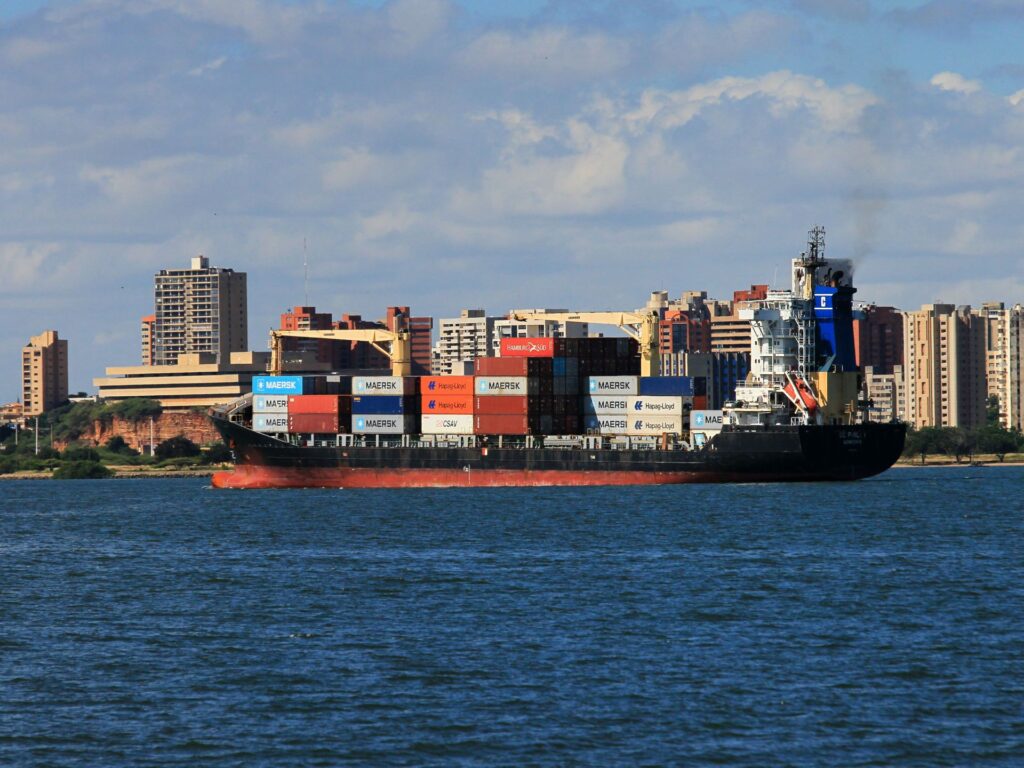
The United States has seized a second oil tanker off the coast of Venezuela, escalating tensions between the two nations. This bold maritime action comes amidst ongoing economic and political disputes that have long characterized US-Venezuelan relations. Caracas has vehemently condemned the seizure, labeling it “the theft and hijacking” of its sovereign property and announced plans to file an official complaint with the United Nations.
The incident marks a significant development in the confrontation, as the US aims to enforce sanctions and restrict the flow of Venezuelan oil, a vital resource for Caracas’s economy. Authorities in Washington assert that the tanker was involved in activities violating sanctions imposed on Venezuela, particularly targeting the Maduro government, which the US does not recognize as legitimate.
Venezuela’s government criticized the seizure as an act of aggression and breach of international law. Officials in Caracas argue that restricting their oil exports amounts to economic warfare aimed at undermining Venezuela’s sovereignty and economic stability. The Venezuelan Foreign Ministry’s plan to bring the issue to the UN underscores its intent to seek international support and challenge what it calls unlawful US interference.
The seizure occurred off Venezuela’s coastline, an area that has seen increased patrols and enforcement actions triggered by ongoing sanctions and shipping restrictions. The US Coast Guard and Navy have played a pivotal role in monitoring maritime activity in the region to ensure compliance with sanctions against Venezuelan oil shipments.
This is not the first tanker seized in recent months. The US’s previous confiscation of an oil tanker accused of carrying Venezuelan crude without authorization exacerbated tensions, leading to widespread condemnation from Caracas and its allies. The second seizure suggests an intensification of US efforts to further isolate Venezuela economically.
In response, Venezuela has reiterated calls for international solidarity and condemnation of what it views as arbitrary seizures targeting its resources. The government has promised to pursue legal avenues at the United Nations, arguing that the anti-Venezuela sanctions regime violates principles of sovereignty and free trade.
Analysts believe that the oil tanker seizures could have significant implications for the global energy market, particularly regarding supply chain disruptions and increased volatility in oil prices. Venezuela’s oil is critical to the country’s revenue, and these seizures could hinder its ability to export and generate income.
The US position remains firm on sanction enforcement, emphasizing that the measures are necessary to pressure the Maduro government to restore democratic norms and respect human rights. However, critics argue that such actions disproportionately impact the Venezuelan population and could worsen the humanitarian crisis in the country.
As both sides prepare for an international legal showdown, tensions remain high. The forthcoming UN complaint by Venezuela will test international law mechanisms and diplomatic channels amid a complex geopolitical rivalry.
This latest development underscores the fraught relations between the US and Venezuela, with energy resources and maritime security intertwined with broader political conflicts. The international community is closely watching the situation, concerned about stability in the region and the precedent set by such maritime seizures.