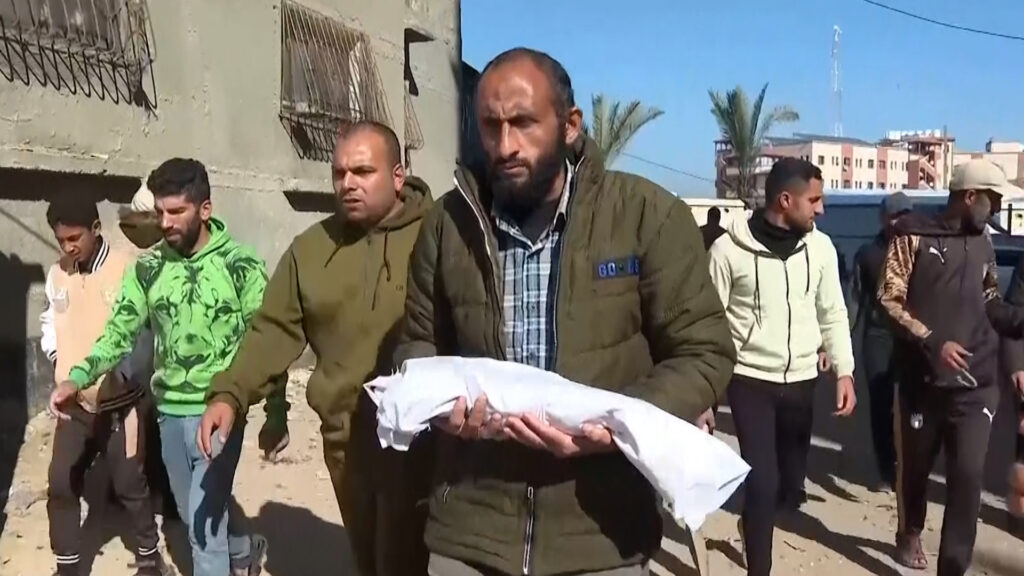
In the midst of Gaza’s harsh winter conditions, a heartbreaking incident has occurred where a 29-day-old baby boy named Saeed succumbed to hypothermia. Saeed was sheltered beneath a worn-out nylon tent with only four blankets to keep him warm, a stark reminder of the difficult living conditions faced by many in the region.
As temperatures dropped significantly, the vulnerability of infants and others residing in makeshift or inadequate shelters has become alarmingly apparent. Gaza, already grappling with infrastructure challenges, insufficient heating, and restricted access to essential resources, poses severe risks to health, particularly for newborns like Saeed.
Hypothermia, a condition where the body loses heat faster than it can produce it, becomes especially dangerous in infants whose bodies cannot regulate temperature effectively. Saeed’s tragic death underscores the urgent need for humanitarian aid aimed at improving living conditions, providing adequate heating, and ensuring vulnerable populations are protected from the severe winter cold.
This incident sheds light on broader issues faced by Gaza’s population, including ongoing political conflicts, restricted mobility, and limited access to medical and social services. These factors compound the difficulty of protecting the most vulnerable, including infants, from environmental hazards.
Humanitarian organizations and international bodies have been urging for increased support and intervention to prevent more tragedies like Saeed’s. Efforts focused on delivering warm clothing, blankets, and proper shelter are critical in the short term, while longer-term solutions require addressing the root causes of Gaza’s living conditions.
Saeed’s untimely death is a poignant reminder of the human cost of conflict and deprivation. As winter continues, the international community is called upon to ensure the safety and well-being of Gaza’s residents, particularly its youngest members, who are disproportionately affected by such harsh environmental conditions.
In conclusion, the death of Saeed to hypothermia highlights the severe impacts of inadequate shelter and heating in Gaza during winter. It calls for immediate humanitarian response and long-term commitments to improve life quality in the region, safeguarding vulnerable populations against preventable tragedies caused by the cold.