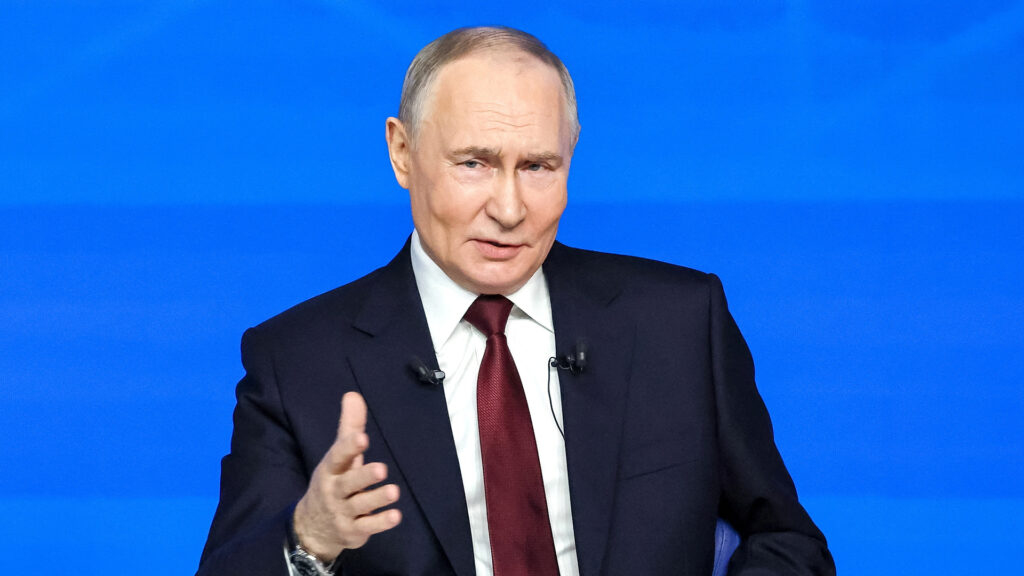
In a recent development, Russian President Vladimir Putin sharply criticized the European Union’s plan to utilize frozen Russian assets, labeling EU officials as ‘robbers.’ This strong condemnation from Putin came amid ongoing tensions between Russia and the EU over sanctions and asset freezes tied to the geopolitical conflict involving Russia.
The European Union has proposed measures to repurpose Russian state assets that were frozen in response to the invasion of Ukraine. These assets, amounting to billions of euros, are currently held under sanctions designed to pressure Russia into ceasing its military actions.
Putin’s remarks reflect Moscow’s vehement opposition to what it sees as an unlawful seizure of its property. He accused the EU of engaging in unjustified economic aggression, asserting that the move to utilize frozen assets is tantamount to theft.
This dispute highlights the broader fallout from the conflict, as Western nations seek to impose economic consequences on Russia while Moscow resists these actions fiercely. EU officials argue that repurposing these assets could provide financial support for Ukraine’s recovery and reconstruction efforts.
The statement from Putin adds to the escalating rhetoric between Russia and Western countries. Analysts suggest that this verbal exchange underscores the deepening divide and growing hostility in international relations, complicating efforts toward diplomatic resolution.
The European Union is expected to formalize its plans regarding frozen Russian assets in the coming weeks, navigating legal and political challenges. Meanwhile, Russia’s strong opposition, as voiced by Putin, signals that this issue will remain a significant point of contention.
This development comes at a time when global economic and geopolitical stability is fragile, with the conflict triggering wide-ranging repercussions beyond the immediate battlefield. The question of asset usage and control continues to be a flashpoint in the strained relations between Russia and the West.
Observers note that the use of frozen assets for foreign policy objectives is relatively unprecedented and may set new precedents in international law and diplomacy. How this situation evolves will be closely watched by governments and financial institutions worldwide.
In summary, President Putin’s labeling of EU officials as ‘robbers’ in response to their plans to use frozen Russian assets marks another chapter in the ongoing confrontation between Russia and the European Union. This conflict over economic resources reflects deeper geopolitical struggles that remain unresolved.