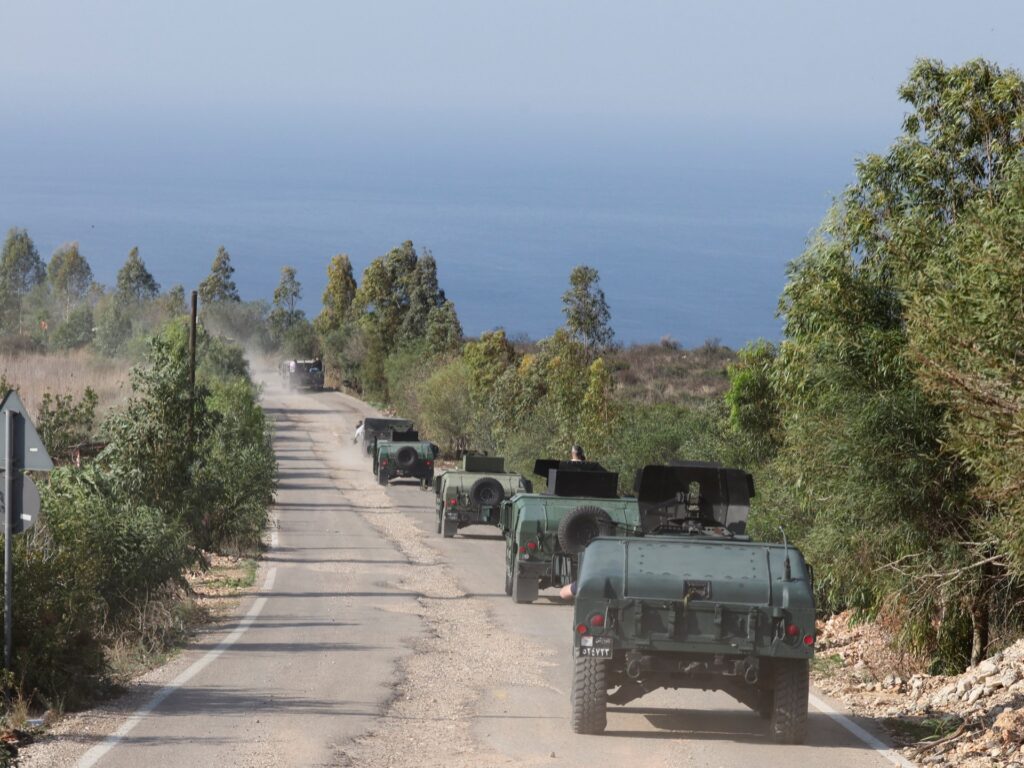
Officials from Israel and Lebanon have convened for high-level talks as international and regional pressure intensifies to disarm Hezbollah. This development comes amid a volatile backdrop where Israel has been conducting near-daily military attacks across Lebanese territory, actions widely viewed as violations of the 2024 ceasefire agreement established with Hezbollah.
The ceasefire, which had aimed to calm tensions and stabilize the border region, appears to be unraveling as both sides exchange hostilities. Israel’s frequent strikes are said to target what it describes as Hezbollah military positions and infrastructure, which it regards as ongoing threats to its national security. Meanwhile, Lebanon’s officials are under growing pressure to rein in Hezbollah’s armed capabilities, balancing domestic political complexities with the need to maintain sovereignty and peace.
This latest meeting signifies a crucial attempt by diplomats and security officials to find a path forward that could reduce hostilities and address the issue of Hezbollah’s armament. The discussions are being closely watched by the global community, which fears that continued escalation could destabilize the region further and lead to a broader conflict.
Hezbollah, a powerful Shiite militant group and political party in Lebanon, has long been a key player in Lebanese politics and a recipient of support from Iran and Syria. Its arsenal and military activities remain a principal concern for Israel, which views the group as a direct security threat. Meanwhile, Lebanon’s government faces significant challenges in asserting control over the group, which has considerable influence and armed strength outside the official Lebanese Armed Forces.
International actors, including the United Nations and major powers, have urged restraint on both sides and have called for renewed dialogue to uphold the terms of the ceasefire. However, the frequent Israeli airstrikes complicate diplomatic efforts, fueling resentment and increasing the risk of retaliation by Hezbollah.
The talks between Israeli and Lebanese officials could potentially lead to a renewed framework to manage security issues along the border, though experts caution that any sustainable agreement would require significant compromises and confidence-building measures. The situation highlights the fragility of peace in this historically volatile region and the complexities of disarming a well-entrenched armed group like Hezbollah.
As the talks proceed, the international community remains hopeful for a diplomatic breakthrough that can prevent further conflict and promote long-term stability between Israel and Lebanon.