Yemen’s city of Taiz, currently under siege, faces a deepening health crisis as officials warn that declining reported infection numbers might be misleading. The ongoing siege restricts access to essential healthcare and sanitation services, creating conditions ripe for the spread of infectious diseases.
Health workers in Taiz report that the blockage of medical supplies and movement of patients out of the city has led to underreporting of cases, masking a potentially worsening epidemic situation. This deteriorating health environment puts the city’s vulnerable population at enormous risk, particularly children and the elderly.
The siege has not only disrupted the routine delivery of medical aid but also overwhelmed the remaining health facilities. Medical staff face shortages of equipment, vaccines, and medicines, making it difficult to control diseases such as cholera, dengue, and other waterborne infections.
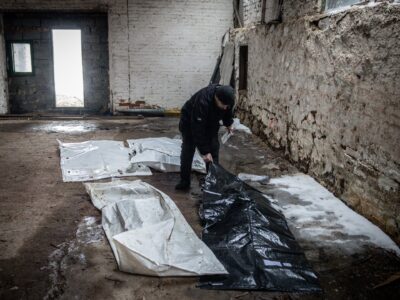
Reports indicate that due to restricted access, many sick individuals cannot reach hospitals or clinics, and many deaths go unregistered. This lack of data complicates efforts by humanitarian agencies to respond effectively to the health emergency.
International health organizations have expressed alarm over the situation, calling on all parties to allow humanitarian corridors to enable the delivery of medical aid and permit patients to seek critical treatment outside the besieged city.
Taiz, once a vibrant urban center, now struggles with the combined effects of war, scarcity, and a growing public health disaster. Medical professionals stress that without urgent intervention, the city’s health system may collapse further, leading to more preventable deaths.
The ongoing conflict underscores the need for international diplomacy to prioritize civilian health needs and access in conflict zones. As the siege continues, the people of Taiz remain trapped in a dangerous cycle of violence and disease, with the international community watching closely but limited in its ability to act.
Efforts to monitor the situation remotely rely heavily on sporadic reports from health workers and displaced persons who manage to leave the city, but these accounts highlight the severity of the crisis.
In conclusion, the siege of Taiz is not only a military and political issue but also a profound humanitarian and public health catastrophe. Global stakeholders must intensify efforts to break the siege and provide urgent medical relief to prevent widespread disease outbreaks and save countless lives.