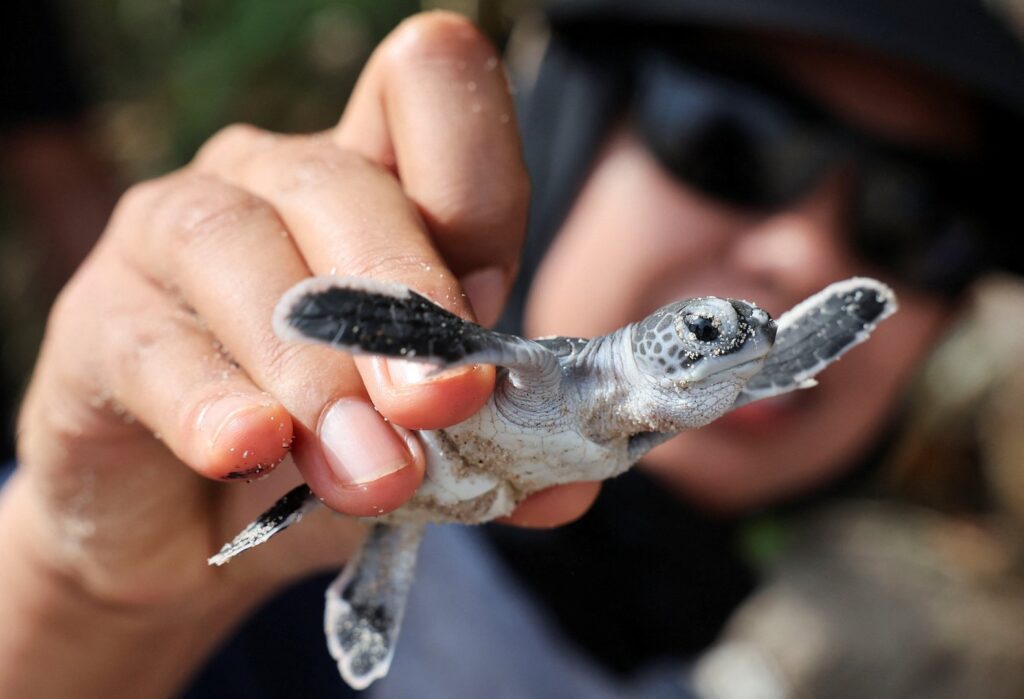
The global conservation status of green turtles has been updated, moving them from the ‘endangered’ category to ‘least concern.’ This significant change reflects positive trends in their population recovery and highlights successful conservation efforts worldwide.
Green turtles, known scientifically as Chelonia mydas, are large sea turtles found in tropical and subtropical oceans worldwide. They have historically faced numerous threats, including habitat destruction, poaching, accidental capture in fishing gear, and climate change impacts.
The reclassification comes after extensive research and monitoring by marine biologists and conservation organizations. These studies have shown steady improvements in green turtle populations, attributed primarily to effective protection measures, such as nesting beach preservation, the establishment of marine protected areas, and stricter international regulations on hunting and trade.
Conservationists point out that the improved status is a testament to decades of dedicated work involving local communities, governments, and international bodies. Initiatives like habitat restoration, public education campaigns, and sustainable fishing practices have played crucial roles in safeguarding green turtles.
Despite the positive news, experts caution that green turtles still face ongoing challenges. Threats such as coastal development, pollution, and climate change-induced alterations to their breeding habitats remain significant concerns. Maintaining and enhancing conservation efforts will be essential to ensure that green turtle populations continue to thrive.
The change in status from ‘endangered’ to ‘least concern’ is not only a victory for green turtles but also an encouraging example of how concerted global action can lead to the recovery of threatened species. It underscores the importance of international cooperation and sustained commitment to marine conservation.
In summary, the reclassification of green turtles reflects hopeful progress in wildlife protection. It reminds the global community of the positive outcomes possible when science, policy, and community engagement intersect to address environmental challenges.
Continued vigilance and adaptive management strategies will be vital in securing a future where green turtles remain a thriving element of marine ecosystems worldwide.