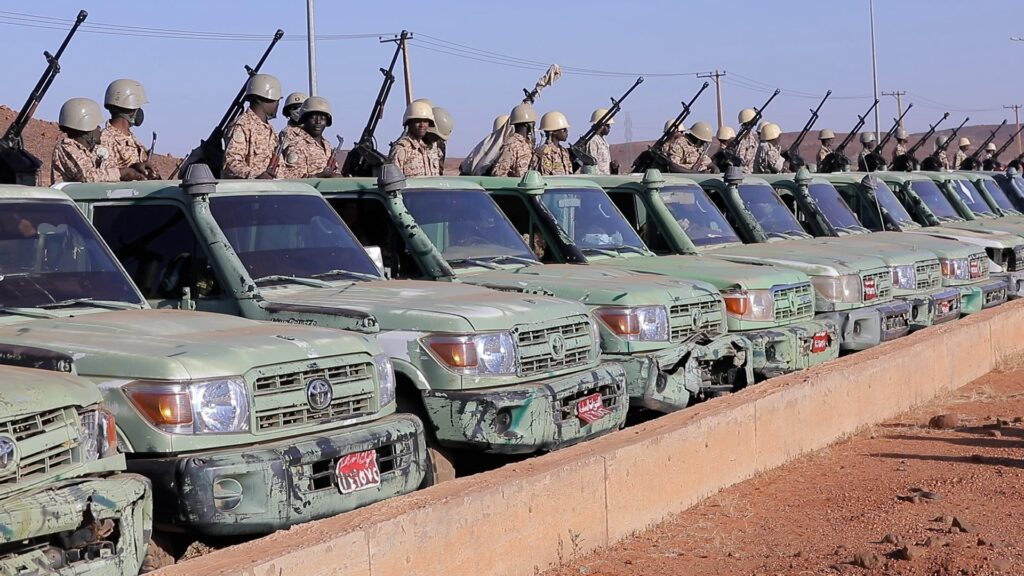
The ongoing conflict in Sudan’s Kordofan region has taken a decisive turn as the Sudanese Armed Forces (SAF) register significant victories against the Rapid Support Forces (RSF). These successes are shaping the larger geopolitical and military dynamics of the conflict, potentially marking a turning point in favor of the Sudanese government.
The Kordofan region, known for its strategic importance due to its location and resources, has been a critical battleground in the ongoing power struggle between the SAF and the RSF. The RSF, a paramilitary group with considerable influence and military capacity, has posed a formidable challenge to the SAF, threatening to destabilize government control.
Recent SAF operations in Kordofan have disrupted RSF supply lines and dismantled key positions held by the paramilitary group. Military analysts suggest that these victories are not only tactical but also carry symbolic weight, bolstering the morale of the SAF troops and the civilian population supporting the government.
The strategic gains by SAF forces include securing vital highways and capturing towns previously under RSF control. This has a dual impact: it restores government authority in contested areas and cripples the RSF’s operational mobility and resource access.
Moreover, the SAF’s success in Kordofan may encourage international actors to reconsider their stance toward Sudan’s internal conflict. With the government demonstrating increased control and capability, diplomatic efforts might be intensified to bring about a sustainable resolution.
The reversal in Kordofan could also impact the broader regional security landscape. Stability in Sudan is pivotal for the Horn of Africa and the Sahel region, where spillover effects from Sudanese conflict have caused humanitarian and security concerns.
On a tactical level, the SAF’s improved performance stems from better coordination, enhanced intelligence capabilities, and possible international support, which collectively outmatch the RSF’s guerrilla tactics.
Yet, challenges remain. The RSF is known for its resilience and ability to regroup, meaning sustained efforts by SAF will be necessary to consolidate gains and prevent further flare-ups.
Humanitarian perspectives also play a crucial role as both sides have been accused of actions affecting civilians. The restoration of government control in Kordofan could pave the way for improved humanitarian access and aid delivery.
In conclusion, the SAF’s successes in Sudan’s Kordofan are pivotal moments in the ongoing conflict. These victories offer a potential turning point, influencing not just the immediate military contest but also geopolitical relations, regional stability, and humanitarian outcomes. Maintaining momentum will be critical for the Sudanese government to secure lasting peace and stability in Kordofan and beyond.