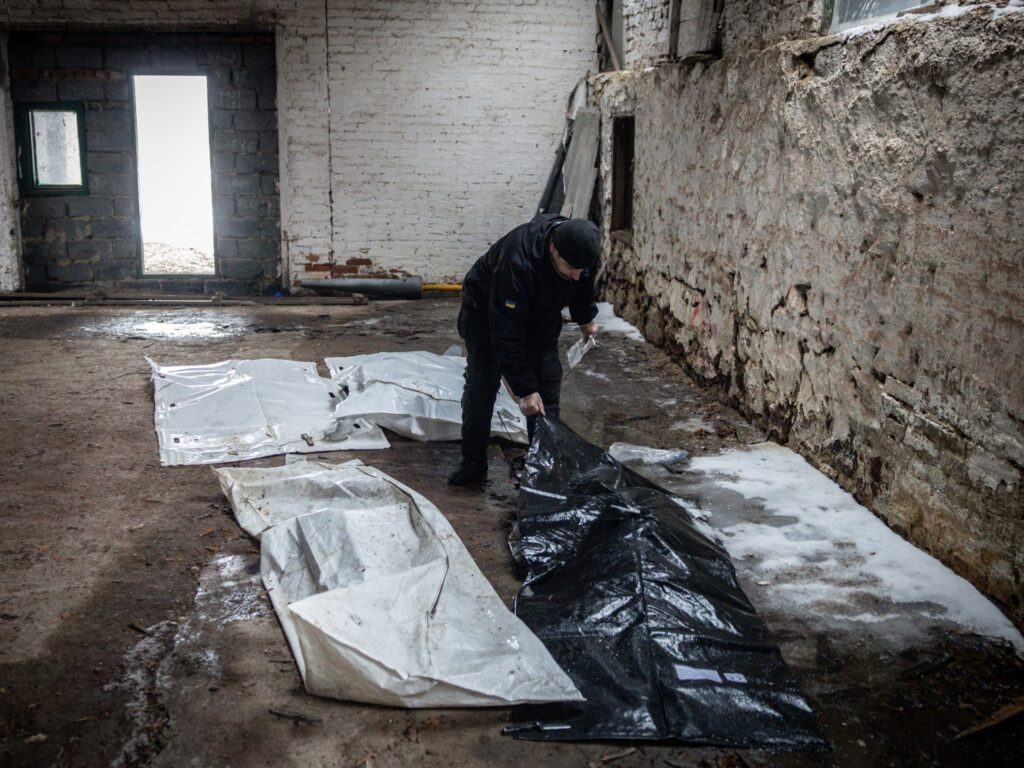
Newly leaked Russian military records reveal a staggering death toll of approximately 450,000 soldiers in the ongoing Ukraine war. This substantial casualty figure sheds light on the human cost of the conflict and offers insights into its broader implications on Russian society and military capacity.
The leaked records indicate that the losses have disproportionately affected older men, poorer regions, and foreign recruits. Older conscripts and reservists, often called back into service to supplement front-line forces, have faced some of the highest casualty rates, highlighting the severe strain on Russia’s manpower resources.
Poorer regions, especially those with fewer economic opportunities, have contributed a significant share of soldiers to the war effort. These areas have borne an outsized burden of the conflict’s human cost, reflecting socio-economic disparities within Russia.
The involvement of foreign recruits, including individuals from allied regions and recruited mercenaries, has also resulted in high casualties, underscoring the challenges Russia faces in maintaining troop levels.
This casualty toll has profound implications for Russia’s military strategies and domestic politics. On the battlefield, the loss of experienced and older soldiers may weaken Russia’s operational capabilities, forcing adjustments to tactics and recruitment methods.
Domestically, the high casualties could fuel dissatisfaction and unrest among families and communities disproportionately affected by the war. The government faces increasing pressure to justify the conflict and manage public opinion amid mounting losses.
Internationally, the casualty figures amplify concerns among global observers about the war’s brutality and the sustainability of Russia’s military campaign. They highlight the urgent need for diplomatic efforts to resolve the conflict and prevent further loss of life.
The revelation of these casualty rates invites a reassessment of the war’s trajectory. It raises questions about Russia’s long-term strategic goals, the resilience of Ukrainian resistance, and the potential for escalation or negotiation.
Humanitarian organizations may also intensify their focus on the affected populations, advocating for aid and support for the families and communities devastated by the conflict.
Overall, the reported 450,000 Russian casualties represent a grim milestone that underscores the enormous human cost of the Ukraine war. This figure serves as a somber reminder of the toll of armed conflict and the urgent need for a peaceful resolution.