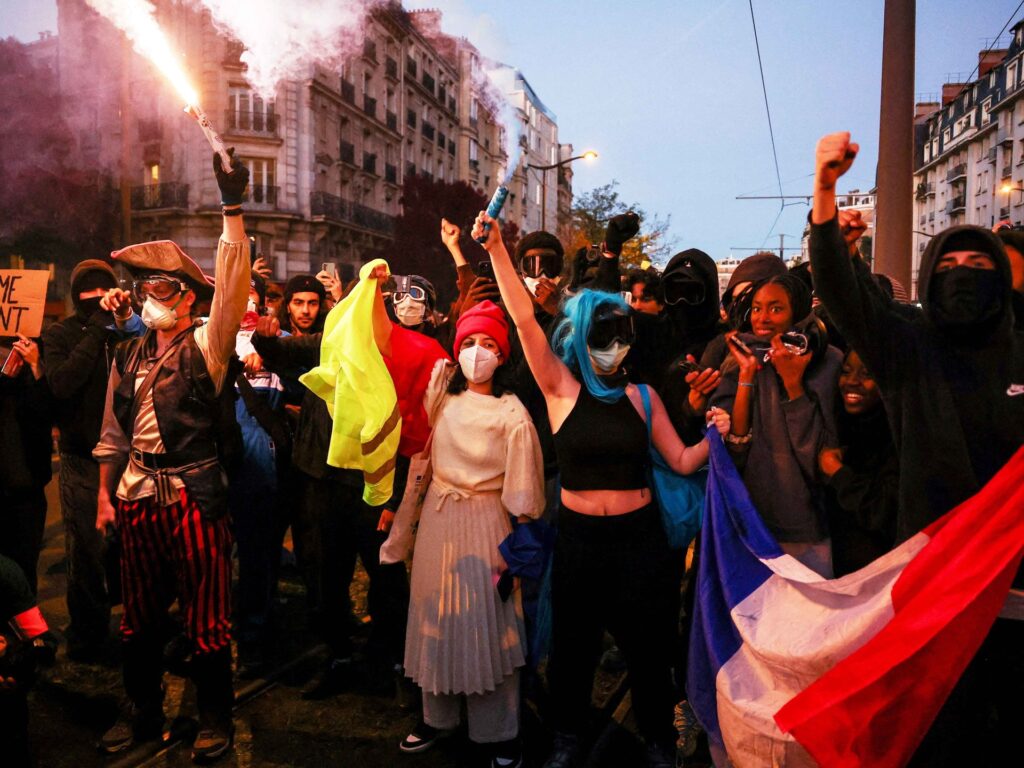
Across Europe, governments are facing mounting challenges in addressing increasingly intense protests sweeping through the continent. These demonstrations, often sparked by a range of social and economic grievances, have been met primarily with heightened security measures rather than substantive policy responses. This approach has intensified public frustration, fueling further unrest.
The trend has highlighted a growing disconnect between citizen demands and government priorities. Many protesters are calling for meaningful action on issues such as economic inequality, unemployment, social justice, and political transparency. Instead of tackling these root causes, many governments have prioritized reinforcing law enforcement and public order. This security-first response strategy includes deploying additional police forces, imposing curfews, and enacting stricter public assembly regulations.
Experts argue that such tactics may provide a temporary sense of control but fail to address the underlying conditions driving the protests. The reliance on security measures often exacerbates tensions, leading to clashes between police and demonstrators and amplifying feelings of disenfranchisement among citizens.
Several factors contribute to the difficulty governments face in shifting focus from security to social and economic reforms. Economic pressures, such as inflation and stagnating wages, strain public resources and complicate policy-making. Political fragmentation within many European countries hampers consensus-building on comprehensive reform agendas.
Moreover, the rise of populist and nationalist movements in various regions complicates efforts to implement inclusive solutions, as governments grapple with polarized electorates and competing political interests.
International observers note that the pattern reflects a broader challenge facing democracies worldwide: balancing immediate public order concerns with long-term social stability through responsive governance.
To move beyond the current cycle of protest and repression, experts recommend that European governments engage directly with civil society to co-create policies that address economic disparities and social injustices. Moving beyond a predominantly security-centered approach could foster public trust and reduce the appeal of street protests as a means of political expression.
In essence, Europe’s governments are caught in a complex predicament. The choice to focus on security measures over systemic reforms risks deepening societal divisions and perpetuating cycles of unrest. Addressing the root causes as a complement to ensuring public safety is crucial for sustainable peace and democratic resilience in the region.