In a significant escalation of tensions, Estonia has announced plans to close its border crossings with Russia after an attack on a local drone manufacturing company. The decision comes amid heightened security concerns following an attempted arson incident linked to Russian intelligence.
Eight individuals have been arrested in connection with the attempted arson, which authorities in Tallinn say was orchestrated by Russian intelligence services. This incident has further strained the already tense relations between Estonia and Russia.
The attempted arson targeted a prominent drone maker in Estonia, a nation known for its advanced technological sectors and close ties with Western defense initiatives. The attack is viewed as an act of sabotage and a direct threat to Estonia’s national security and defense capabilities.
Estonian officials have disclosed that the suspects were caught in a timely operation involving multiple law enforcement agencies, preventing potential damage to the facility. The arrested individuals are currently under investigation, with authorities seeking to uncover the extent of foreign involvement and the operational networks behind the plot.
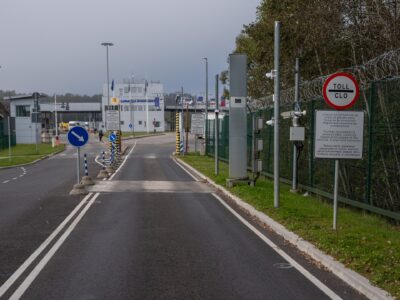
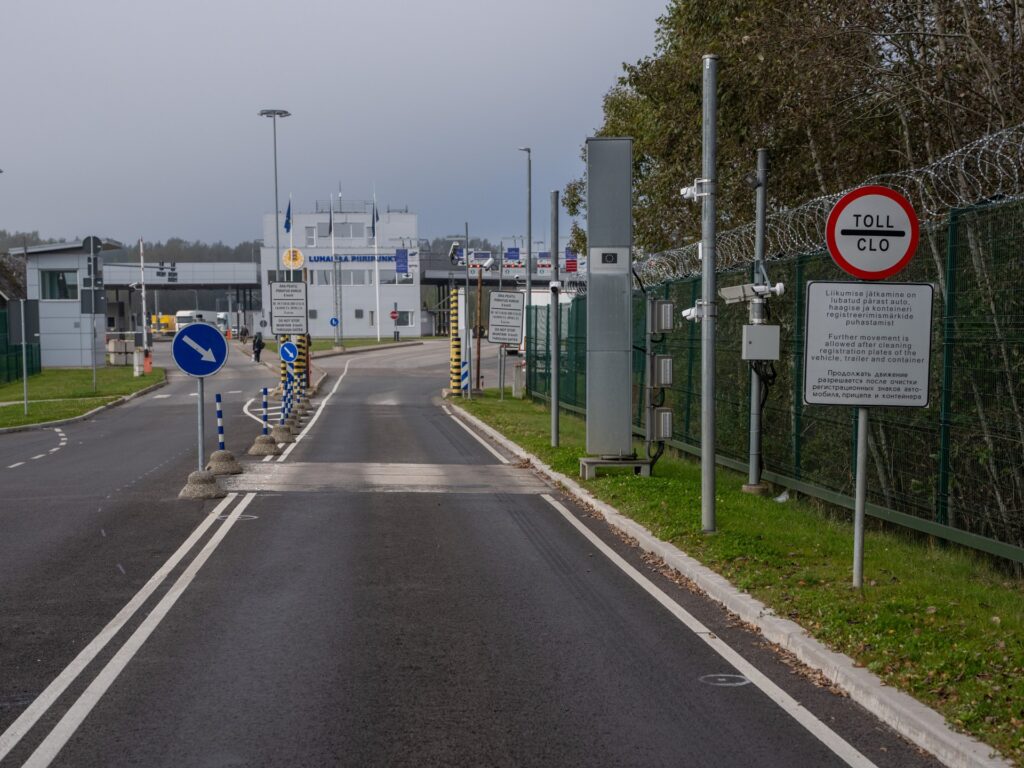
In response to the attack and the alleged Russian intelligence involvement, Estonia’s government has decided to close its border crossings with Russia. This move aims to prevent further infiltration or sabotage attempts and to reinforce border security amid the crisis.
The closure will affect passenger and freight traffic, marking a significant disruption in cross-border relations and trade between the two countries. Estonia has assured that the measures are temporary but necessary to safeguard national security.
This development reflects the broader context of escalating tensions between Russia and several of its neighbors, especially those in Eastern Europe and the Baltic region. Estonia, a member of the European Union and NATO, has been proactive in bolstering its defenses and securing its borders in response to recent aggressive moves by Russia in the region.
The international community is closely monitoring the situation, expressing concern over the potential for further destabilization. Analysts warn that incidents like these could complicate diplomatic efforts and increase the risk of broader conflicts.
Estonia’s decision sends a clear message about its stance on security and its resolve to counter external threats. The government continues to work with international partners to enhance intelligence sharing and coordinate responses to such security challenges.
As the investigation progresses, Estonia is expected to implement additional security measures to protect critical infrastructure and prevent future attacks. Meanwhile, diplomatic channels remain cautiously open, although the atmosphere remains strained.
This incident highlights the ongoing risks faced by countries bordering Russia and underscores the importance of vigilance and preparedness in a volatile geopolitical landscape. The coming weeks will be crucial in determining the long-term impact of these actions on Estonia-Russia relations and regional stability.