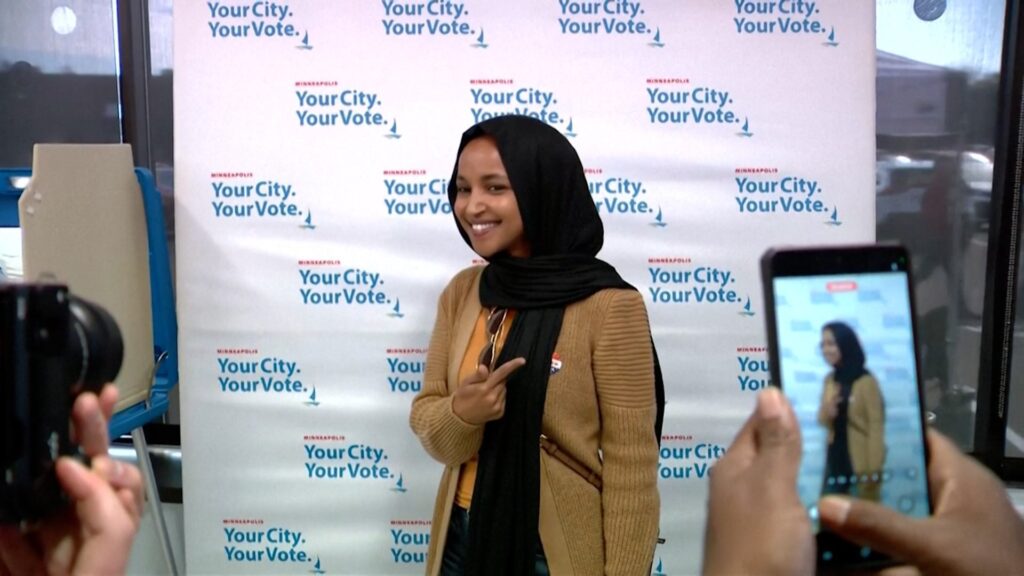
US Congresswoman Ilhan Omar has cast her ballot ahead of the upcoming US midterm elections, a significant event occurring amidst increased political tension. The timing coincides with former President Donald Trump renewing his vocal attacks against her, a move that has drawn considerable attention. This resurgence in hostility comes at a time when Omar is also facing scrutiny as part of a federal probe, adding layers of complexity to an already charged political atmosphere. Omar’s decision to vote underscores her commitment to participating in the democratic process despite the challenges she faces. The midterm elections represent a critical juncture for lawmakers like Omar, who seek to maintain their positions while navigating criticism and legal inquiries. Trump’s attacks have been characterized by aggressive rhetoric, aiming to discredit Omar and sway public opinion. Critics argue that such tactics contribute to the polarizing nature of contemporary American politics, fostering division rather than constructive dialogue. Meanwhile, Omar’s supporters emphasize her resilience and dedication to representing her constituents effectively. The federal probe involving Omar remains a sensitive and evolving matter, with details closely watched by political analysts and the media. Observers note that the intersection of legal issues and electoral politics creates an environment ripe for controversy and partisan conflict. As both Omar and Trump prepare for the political battles ahead, the midterm elections will serve as a referendum on their respective influence and standing. Ultimately, Omar’s vote is more than a personal act; it symbolizes the perseverance of democratic engagement against a backdrop of scrutiny and political strife. The broader implications of these events reflect ongoing challenges within the US political landscape, highlighting themes of power, accountability, and public service amid adversity.