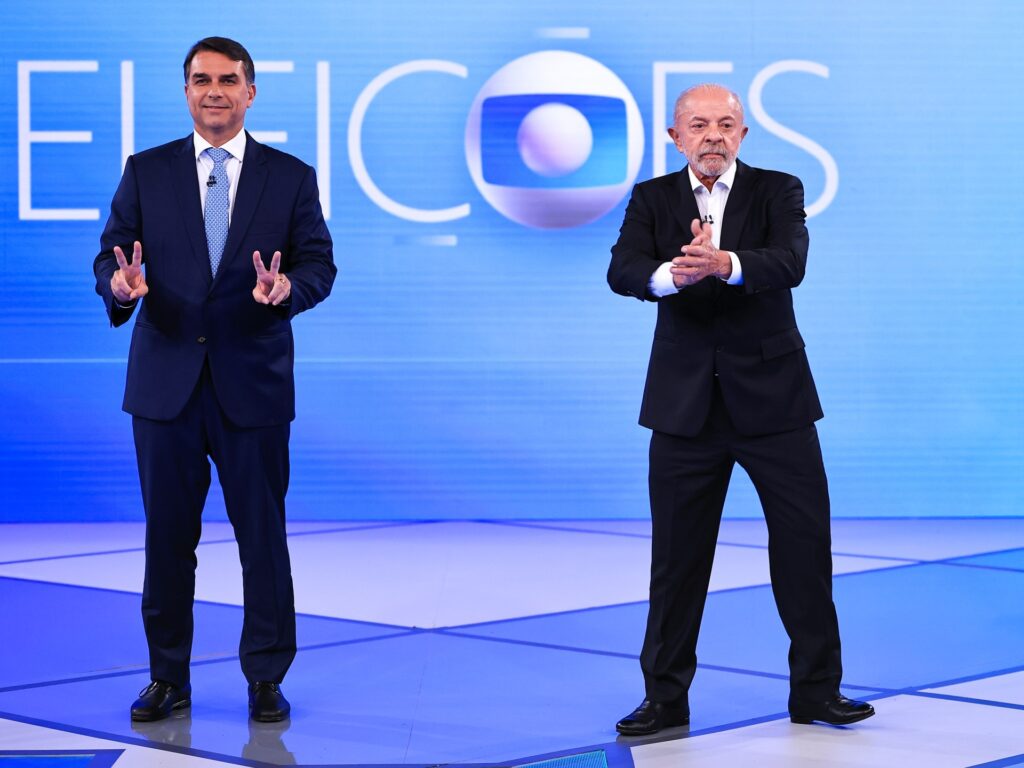
As Brazil approaches its presidential run-off election on Sunday, the nation’s political spotlight is firmly on the first-ever televised debate between the two leading candidates, Luiz Inácio Lula da Silva and Jair Bolsonaro. Both candidates have engaged in a rigorous exchange of policy proposals, aiming to sway the undecided electorate in what is shaping up to be one of Brazil’s most closely contested presidential races.
The debate occurs against a backdrop of a highly polarized electorate and critical national issues including the economy, social inequality, public security, and Brazil’s role on the international stage. Lula, representing the left-leaning Workers’ Party, has emphasized his plans to restore social welfare programs, increase investments in education and health, and promote environmental sustainability, especially concerning the Amazon rainforest.
On the other hand, incumbent President Bolsonaro, from the conservative Liberal Party, has defended his administration’s record on economic growth, law enforcement, and infrastructure development. He pledges to continue policies aimed at reducing bureaucracy, expanding agribusiness, and strengthening the country’s defense capabilities.
Polls currently show that the two candidates are virtually tied, intensifying the significance of this debate. Analysts suggest that the performance in this event could influence undecided voters and potentially shift momentum in the final days before the election.
Observers note that Lula focused on contrasting his leadership style as inclusive and compassionate, stressing his past achievements during his presidency from 2003 to 2010, which saw significant reductions in poverty and advancements in Brazil’s global standing.
Meanwhile, Bolsonaro criticized Lula’s previous tenure for alleged corruption and economic shortcomings, positioning himself as the candidate of change who prioritizes national security and conservative social values.
The debate has also highlighted pressing issues such as the handling of the COVID-19 pandemic, with Lula criticizing Bolsonaro for the government’s response, which he deems inadequate, while Bolsonaro defends his approach as balanced given the circumstances.
Environmental policies have featured prominently, with Lula advocating for aggressive action to curb deforestation rates and comply with international climate agreements. Bolsonaro, meanwhile, has taken a more cautious stance, focusing on economic development goals.
The candidates also addressed concerns about public safety and crime rates, crucial issues for many voters. Lula promised to implement comprehensive social programs targeted at vulnerable populations to alleviate the root causes of crime, whereas Bolsonaro emphasized strengthening law enforcement agencies and military involvement in tackling violence.
International observers and Brazilian citizens alike are closely watching this debate as a decisive moment that could determine the country’s future trajectory.
Sunday’s runoff election promises to be a pivotal moment for Brazil, capturing the attention of the nation and the world as it chooses its next leader amid divergent visions for the country’s development and governance.