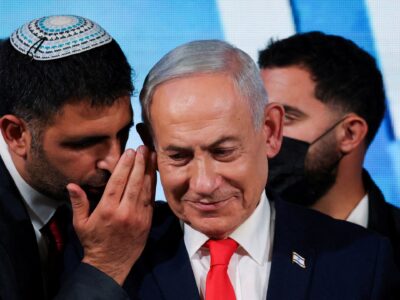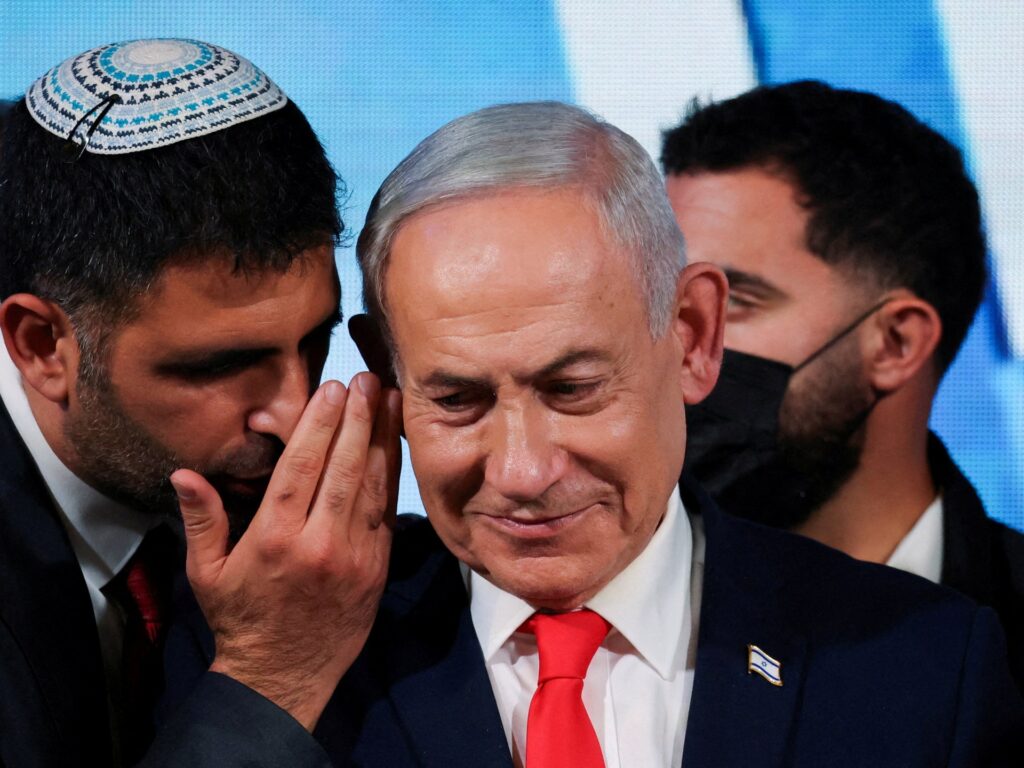
Following the upheaval caused by the October 7 events, Israeli politics face a pivotal moment as the newly shaped Knesset prepares to convene. Former Prime Minister Benjamin Netanyahu, a dominant figure in Israeli politics for over a decade, now confronts a growing opposition coalition determined to form a new government. Netanyahu’s struggle to maintain political relevance has become a focal point amidst the rapidly shifting landscape.
The October 7 incident, a significant and traumatic event in Israel’s recent history, has reshaped public opinion and the political arena. The electorate’s changing mood is reflected in the makeup of the incoming Knesset, where opposition parties appear to coalesce around a shared goal of unseating Netanyahu and ending his lengthy tenure.
Netanyahu’s Likud party, once the indisputable leader in Israeli politics, now faces unprecedented challenges. Internal party tensions and waning public support have weakened Netanyahu’s grip, while the opposition showcases a united front that appeals to diverse constituencies, including centrists, left-wing activists, and even some right-wing factions disillusioned with the current leadership.
The opposition’s strategy centers around harnessing public demand for accountability and change. They criticize Netanyahu’s policies on security, economic management, and governance, arguing that new leadership is essential for Israel to confront contemporary challenges effectively.
As the Knesset prepares to convene, the political atmosphere is charged with anticipation and uncertainty. Netanyahu’s efforts to negotiate alliances and secure support demonstrate his resolve to remain a key player, but the scale of opposition unity suggests that his ability to form a government is increasingly constrained.
The potential formation of an opposition-led government would mark a historic shift in Israeli politics, ending Netanyahu’s long-standing influence and signaling a new era. However, this transition is fraught with complexities, including the need for coalition agreements among diverse parties with differing agendas.
Observers note that Netanyahu’s political survival hinges on his adaptability and capacity to respond to the evolving demands of Israeli society. His future moves will likely shape not only domestic policy but also Israel’s stance in international affairs and regional security dynamics.
In conclusion, Israel stands at a crossroads defined by the aftermath of the October 7 events and the approaching Knesset session. Netanyahu’s fight to stay relevant symbolizes the broader struggle between entrenched leadership and emerging voices seeking reform, with the nation’s political future hanging in the balance.