Despite ongoing political tensions and formal trade restrictions post-conflict, Pakistan’s imports from India have remarkably rebounded to pre-war levels, signaling complex economic dynamics between the two nations.
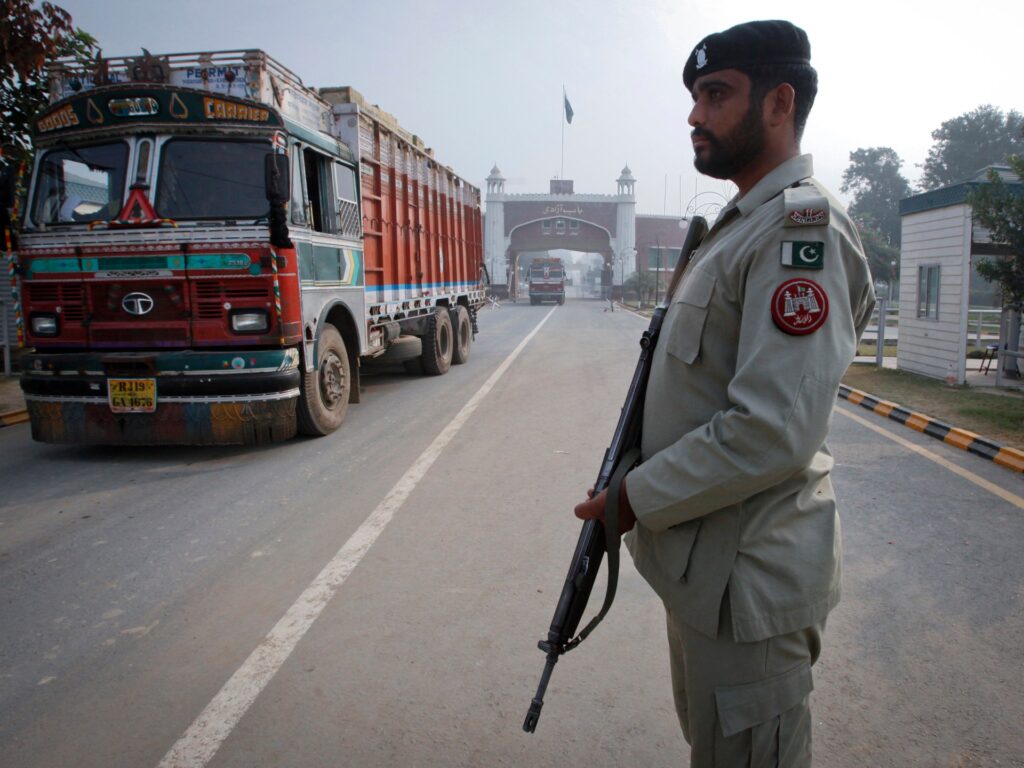
Officially, trade between Pakistan and India remains suspended following recent escalations and longstanding diplomatic disputes. However, indirect trade routes and informal mechanisms have facilitated the flow of Indian goods into Pakistan, circumventing formal bans and tariffs.
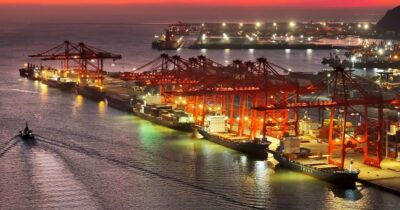
This increase is largely driven by demand for Indian products, including pharmaceuticals, agricultural goods, and consumer items that remain highly sought after in the Pakistani market. Traders have reportedly been using third countries as conduits, allowing goods to reach Pakistan without direct transactions from India.
Experts suggest that economic pragmatism on both sides is encouraging this covert trade activity. Despite political disputes, both countries benefit economically from the flow of goods, indicating a subtle prioritization of economic needs over political posturing.
The resurgence of this trade could lay the groundwork for a cautious thaw in bilateral relations, should both governments decide to capitalize on economic interdependence. Historically, economic ties between India and Pakistan have often served as a bridge during periods of political strain.
Industry analysts note that while formal trade remains restricted, the market’s demand ensures that Indian products continue to find their way into Pakistan, highlighting the resilience of cross-border economic connections.
This trend reflects a complex interplay where political rhetoric and economic realities diverge, suggesting that the two countries may be inching toward renewed engagement, driven by mutual economic interests.
In summary, Pakistan’s imports from India growing again despite formal trade bans and tensions underline the nuanced relationship between the two neighbors. While official channels remain closed, economic imperatives are fostering a covert commerce that could eventually encourage more open interaction and potentially ease bilateral tensions in the future.